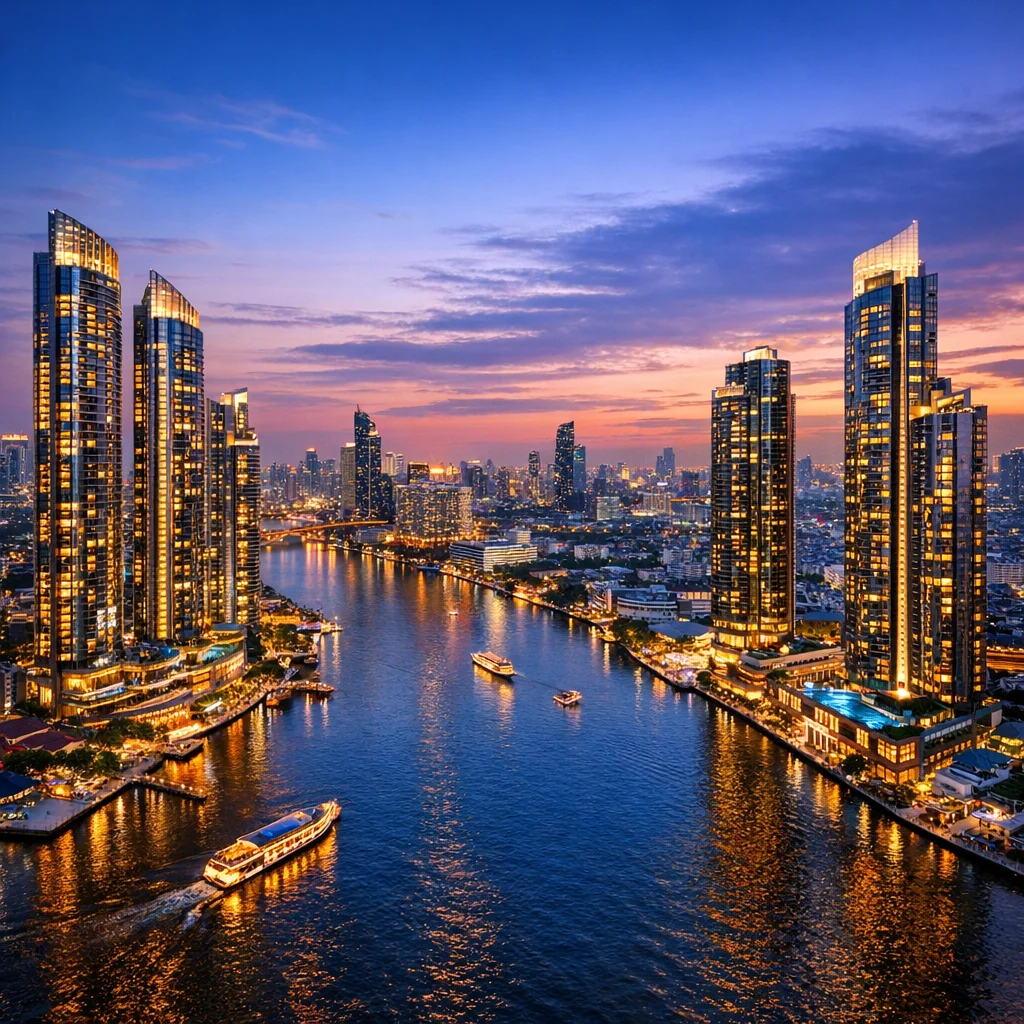
.png)

Bangkok Ranks Among Top 4 Global Luxury Cities: How Is It Driving Thailand’s Real Estate Sector?
Title: SEO Summary Bangkok ranks among the world’s top luxury cities, driving retail growth, tourism, and demand for premium real estate

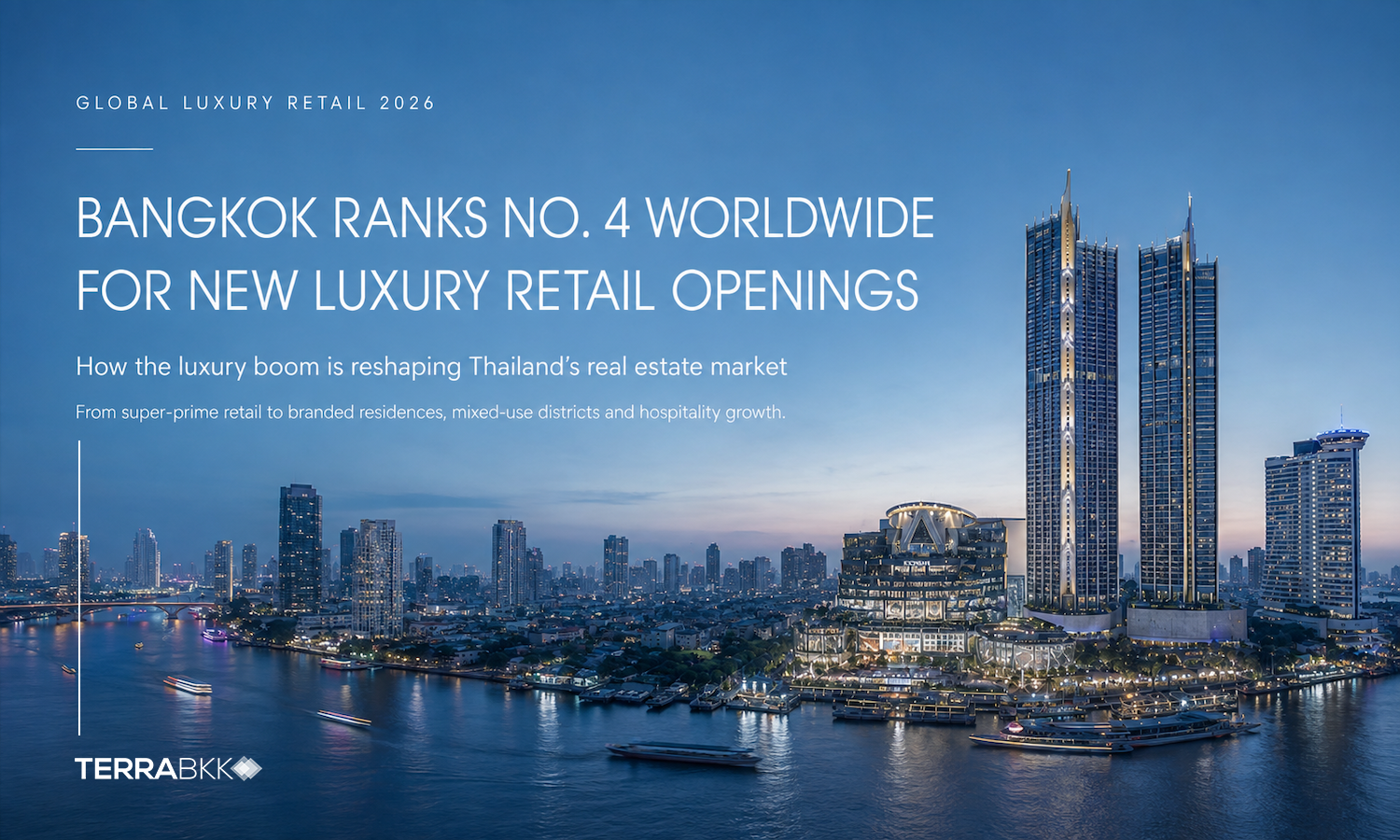
Bangkok Ranks Among Top 4 Global Luxury Cities: How Is It Driving Thailand’s Real Estate Sector?
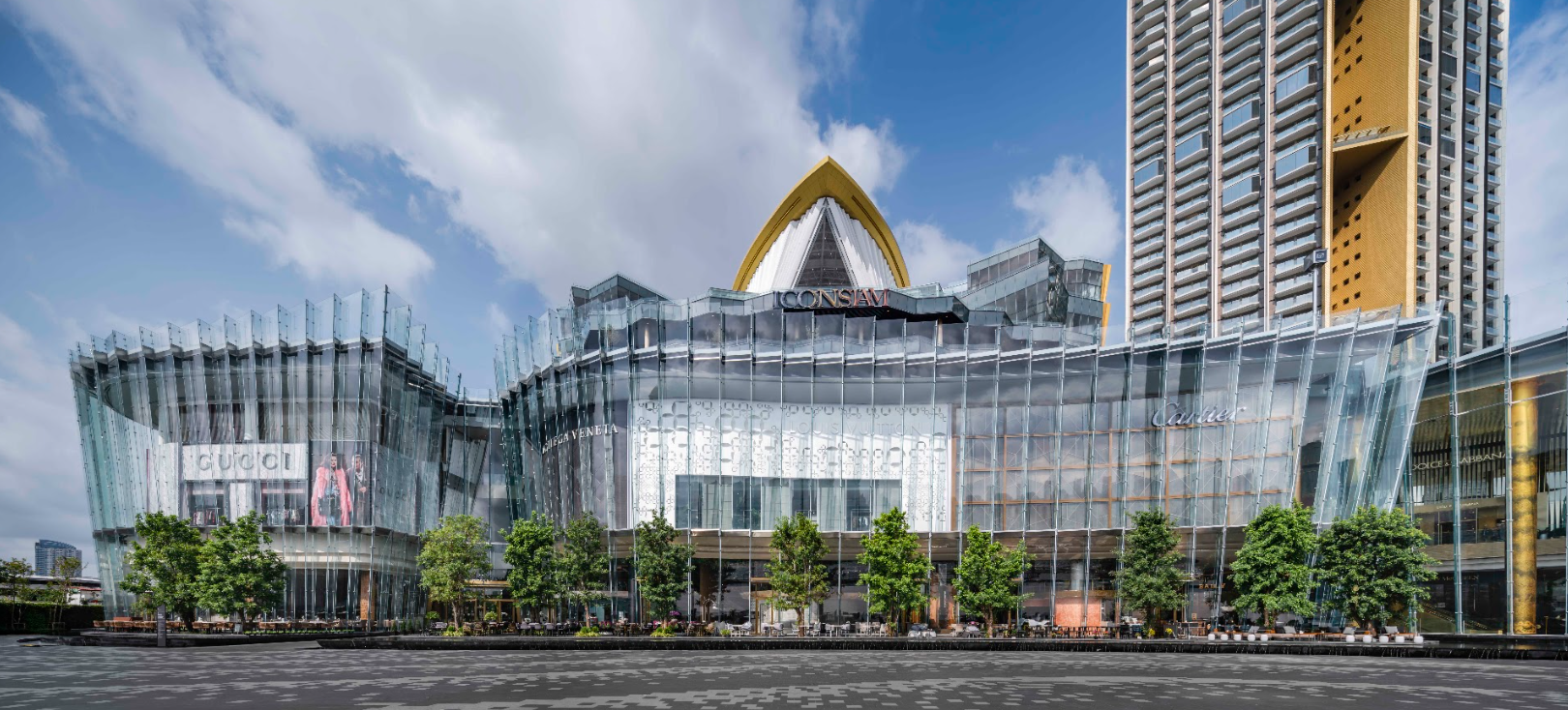
Despite the subdued global and domestic economic picture over the past few years, Thailand's luxury retail market has bucked the trend with remarkable momentum.
Major global luxury brands are opening expansive flagship stores across Bangkok, turning Thailand into one of the world's most lucrative luxury retail markets. Highlights’ flagship stores include Zara’s first new-concept flagship store in Thailand at Central Park, Louis Vuitton’s LV The Place Bangkok at Gaysorn Amarin (combining exhibitions, a café, a restaurant, and a boutique in one destination), Dior’s exclusive showcase at Central Chidlom’s Morakot Lawn, Hermès’ two-story expansion at ICONSIAM, and major flagship store openings by Loro Piana and Giorgio Armani. Over 50 new luxury brands have continuously debuted in the country.
This surge is corroborated by Savills’ Global Luxury Retail 2026 report, which ranks Bangkok 4th globally as a top destination for new luxury retail openings (Global Destination for New Luxury Retail Openings). Bangkok trails only New York, Beijing, and Paris, surpassing traditional fashion capitals such as Milan, London, Tokyo, Shanghai, Hong Kong, and Singapore. Between 2025 and May 2026 alone, over 40 new luxury brand stores opened across Siam Paragon and ICONSIAM, covering over 14,000 square meters. This happening greatly demonstrates the maturity of Thailand’s retail infrastructure and the potential of its broader economy.
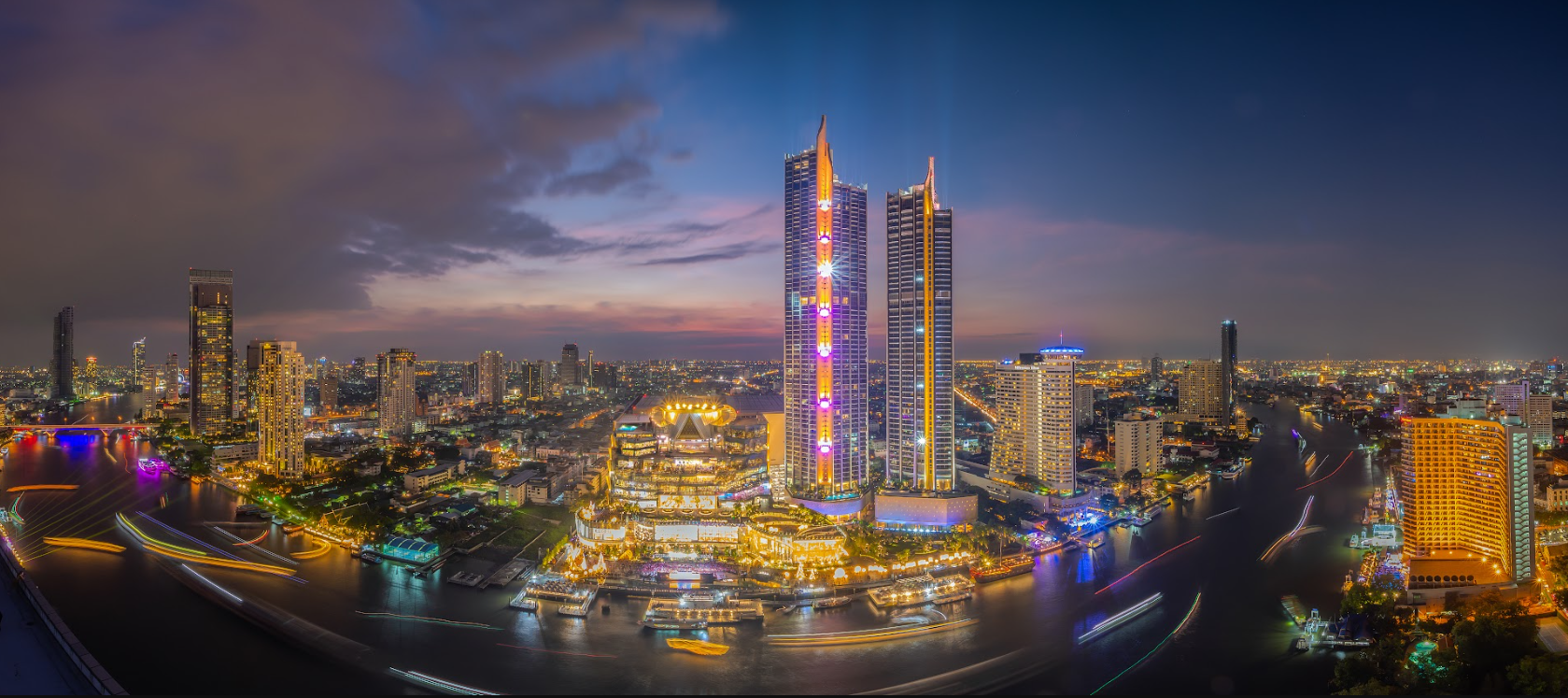
6 Key Drivers Transforming Thailand into Asia’s Luxury Retail Destination
1. World-Class Super-Prime Retail Infrastructure
The decision by global luxury brands to establish new flagship concepts in Bangkok reflects that the city offers world-class Super-Prime Retail space. When expanding, the global brands apply strict criteria. They carefully evaluate location appeal, analyze purchasing power, experience delivery, and explore strong partner relationships. Top retail landmark projects such as Siam Paragon, ICONSIAM, Central Embassy, EM District, One Bangkok, and Dusit Central Park meet these stringent standards. They deliver to modern consumers immersive experiences unlike any other places in Asia.
Leading Thai retail developers such as Siam Piwat, Central Pattana (CPN), and Dusit Thani Group have mastered the Global Destination Model, intricately weaving luxury, culture, and convenience. According to Colliers, retail occupancy rates in Bangkok climbed throughout 2026, reaching 89% in Q1 2026 (up from 85% in the same period of the previous year), buoyed by international brand expansions and entertainment destinations.
2. Strategic Location Attracting Affluent Visitors
Bangkok’s luxury boom is underpinned by a high concentration of High-Net-Worth Individuals (HNWIs) and Ultra-High-Net-Worth Individuals (UHNWIs). Situated at the center of ASEAN—a market of over 600 million people—Thailand serves as a regional strategic hub. With a populous executive expatriate community and an annual international visitors of nearly 33 million, Thailand has solidified its position as a regional hub for lifestyle, wellness, healthcare, and retail.
3. "Luxury Districts" Elevating Branded Residences & Ultra-Luxury Real Estate
When luxury brands anchor themselves in any location, they elevate the surrounding area into a "Luxury District," which directly stimulates residential demand and property appreciation. Bangkok’s ultra-luxury condominium market is rapidly evolving into Asia’s newest Luxury Real Estate Hub, driven in part by the growth of Branded Residences. Compared to cities like Singapore, Hong Kong, or Tokyo, Bangkok’s ultra-luxury properties offer exceptional value for money, combining world-class design and property management at competitive prices.
4. Mega Mixed-Use Developments as Value Multipliers
Bangkok’s evolution reflects a structural transition toward integrated mixed-use ecosystems in prime Central Business Districts (CBDs). Modern developments combine retail destinations, 6- to 7-star luxury hotels, Grade-A offices, and premium residences. Luxury retail acts as an anchor magnet, driving high-spending foot traffic that boosts rental yields and occupancy rates across office and residential components.
5. Synergy Between Luxury Retail and High-End Hospitality
Bangkok’s status as a premier shopping destination reinforces its high-end hospitality and food service sectors. Ultra-luxury hotel brands such as Aman, Rosewood, Four Seasons, and The Ritz-Carlton continue to open nearby luxury retail centers. Properties connected to prime retail and mass transit networks command higher Average Daily Rates (ADR) and occupancy rates.
6. Decentralization into Emerging Prime Locations
Luxury development is no longer clustered in traditional retail districts such as Siam, Ratchaprasong, and Early Sukhumvit Road. They expands into Emerging Prime Locations:
- Charoen Nakhon (Riverside): Transformed by ICONSIAM into a landmark waterfront luxury district.
- Rama IV Corridor: Anchored by One Bangkok and Dusit Central Park as a new business and high-end lifestyle center.
- Ratchada-Rama 9: Expanding rapidly to accommodate new international investors and residents.
This spatial expansion not only increases land values in the emerging districts, it reduces core city congestion, and distributes economic growth across Bangkok.
Conclusion
Establishing a complete high-end lifestyle and retail ecosystem put Bangkok in an effective position to attract foreign capital inflows. Retail sectors continue to serve as critical drivers reinforcing the stability and long-term growth of Thailand’s real estate market amid global economic shifts.
Subscribe to our newsletter
Stay up to date with Angel RE news and pre launch offers
.jpg)