.png)

Repeat Visit is Unlocking Thailand’s Secondary Destinations
Repeat tourism is expanding beyond Bangkok and Phuket, unlocking growth in emerging destinations and real estate.


Repeat Visit is Unlocking Thailand’s Secondary Destinations
Few global destinations receive the enduring popularity like Thailand. Beyond the initial captivation of first-time visits, Thailand’s tourism strength lies in its remarkable allure of repeat visits—evidenced by Agoda’s report, which ranks Bangkok among the top 3 most revisited cities in Asia for second year in a row. The result cements Thailand’s appeal as a major destinations in global tourism.

Solid Arrival Volumes & Repeat Visits
While search engine rankings may fluctuate, the real-world numbers reflect an undeniable picture: Thailand remains a key destination for international tourism. Driven by massive inflows from major markets—Thailand welcomed over 20 million foreign visitors in the first half of 2026 with Chinese travelers in the number one spot alongside consistent demand from Malaysia, India, and Europe. Latest data from Agoda shows that Bangkok has ranked among the top 3 most revisited cities in Asia for two consecutive years.
Despite the number of international tourists fall 3.08% compared to last year, Thailand’s appeal remain firmly intact. However, relying on the traditional destinations such as Bangkok and Phuket are not enough to maintain this momentum. To expand further into attracting more repeat travelers requires raising awareness beyond primary destinations. This direction consort with the Thai government’s campaign to promote secondary provinces. Raising travelers’ awareness toward emerging secondary destinations is crucial to build the next wave of tourism growth. For investors, this momentum presents a compelling opportunity: real estate in secondary markets offers significantly lower entry costs, attractive return prospects, and an unmatched opportunity to capitalize on an expanding regional footprint.
Secondary Destinations Gain Growing Momentum
Expanding tourism beyond the traditional destinations is gaining significant traction across Asia. Search data from agoda shows that European travelers continue to crown Thailand as their top choice in Asia, followed by Indonesia, Japan, Vietnam, and Malaysia. Interestingly, search behavior extend beyond the famous destination: just as Bali searches have widened into neighboring archipelagos, interest in Thailand is rapidly fanning out into secondary provinces as well.
The growth of secondary cities aligns directly with government initiatives across Asia designed to increase revenue from tourism, relieve infrastructure strain in major tourist destinations, and boost regional economies. In Thailand, several secondary markets are emerging with compelling demand:
Khao Yai: Driving the boom in mountain and eco-luxury tourism. Renowned for its UNESCO-listed national park, cooler climate, vineyards, and European-style estates, it attracts high-spending visitors seeking high-end retreats. The destination is matured and popular for local thai.
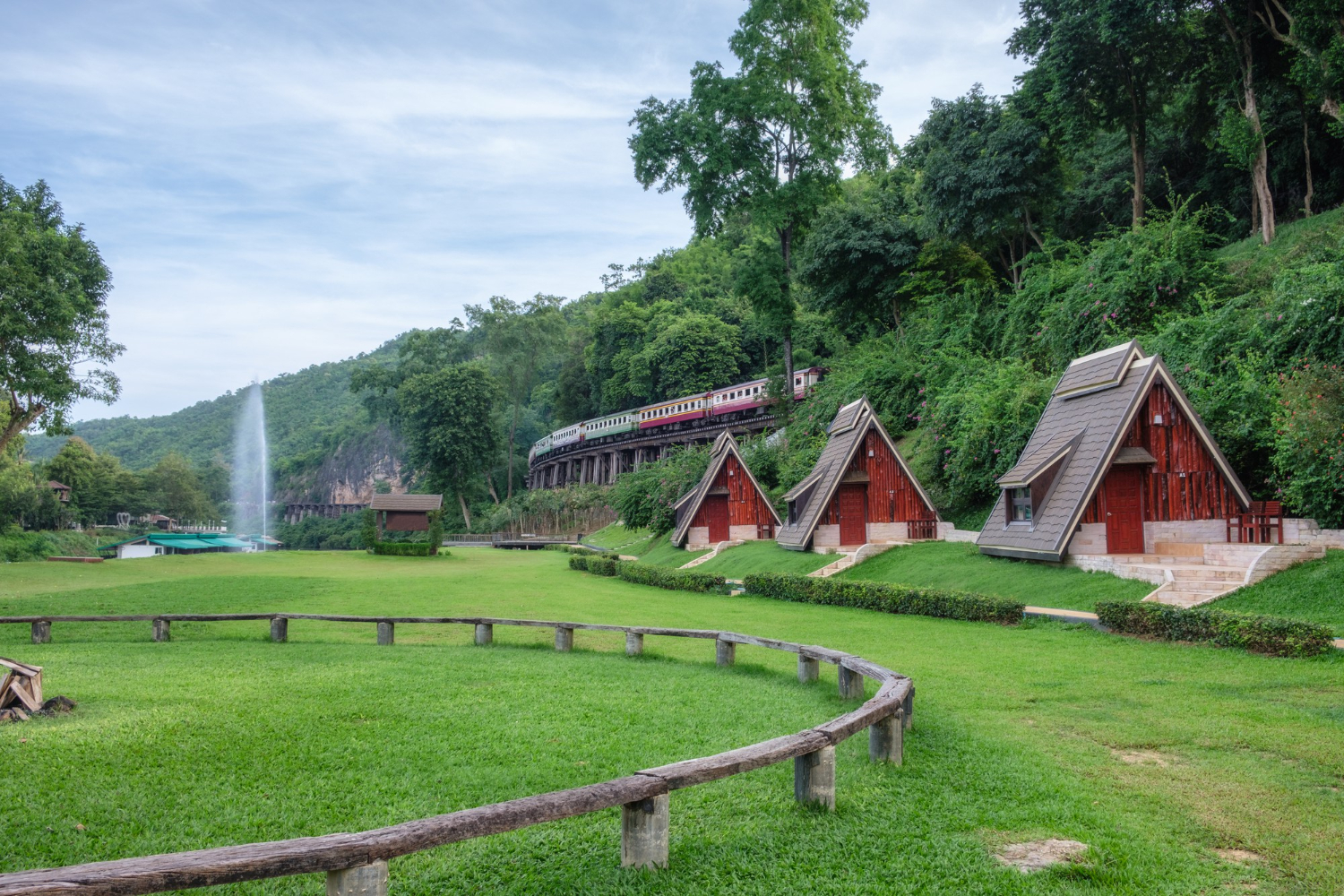
Kanchanaburi: The city offer unique blend of historical significance along the River Kwai and expansive natural wonders—such as the multi-tiered Erawan Waterfall—to fuel a growing market for riverside glamping and eco-resorts. The opening of M81 highway connecting Bangkok to Kanchanaburi significantly reduce travel time to 1 hour and enhance accessibility to for this province.
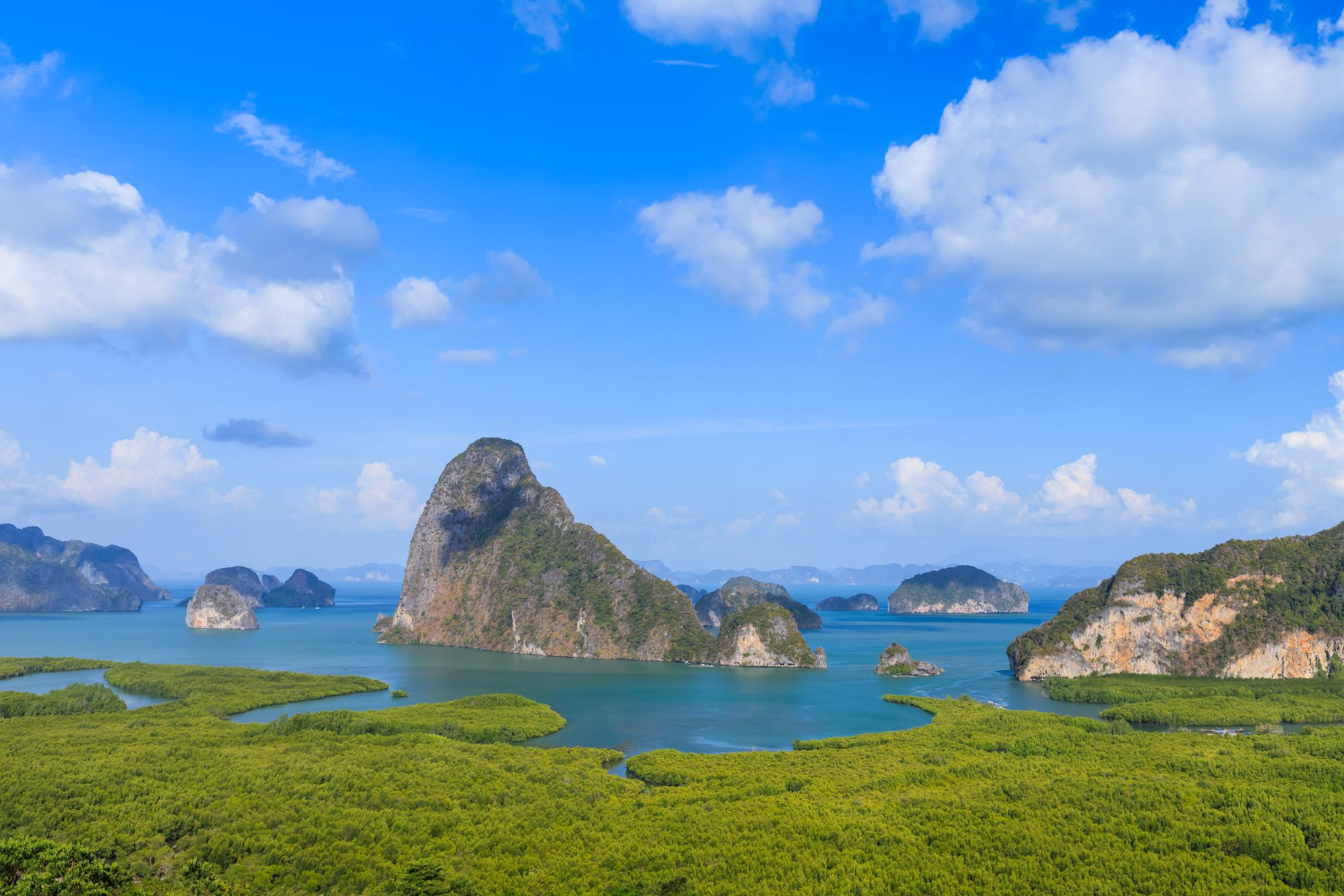
Phang Nga: Rapidly expanding as a natural mainland extension of Phuket. Benefiting from overspill demand, high-end infrastructure, and the planned Andaman International Airport, it draws buyers seeking tranquil beachfront estates, pristine marine parks, and luxury eco-resorts away from island congestion. With developments to watch in Natai and Khao Lak.
While lake travel and pet-friendly accommodations are still developing, regional resorts are pivoting fast—adopting pet-inclusive policies and specialized wellness concepts to capture high-spending travelers.
By connecting repeat visitors with active government support for emerging provinces, investors have the opportunity to capitalize on real estate in secondary cities:
- Lower capital entry: Significantly lower land and property acquisition costs compared to prime and matured market such as Bangkok or Phuket.
- Expanding rental demand: Favorable rent-to-value ratios driven by rising demand for boutique stays, eco-lodges, and holiday rentals.
- Strategic Timing: Positioning capital early in government-promoted provinces offers strong upside potential as regional infrastructure and transportation links mature.
Thailand’s tourism landscape is evolving into multi-destination travel. This expanding tourism footprint beyond the traditional destinations represents a compelling avenue for long-term value creation in Thai real estate.
Subscribe to our newsletter
Stay up to date with Angel RE news and pre launch offers