.png)

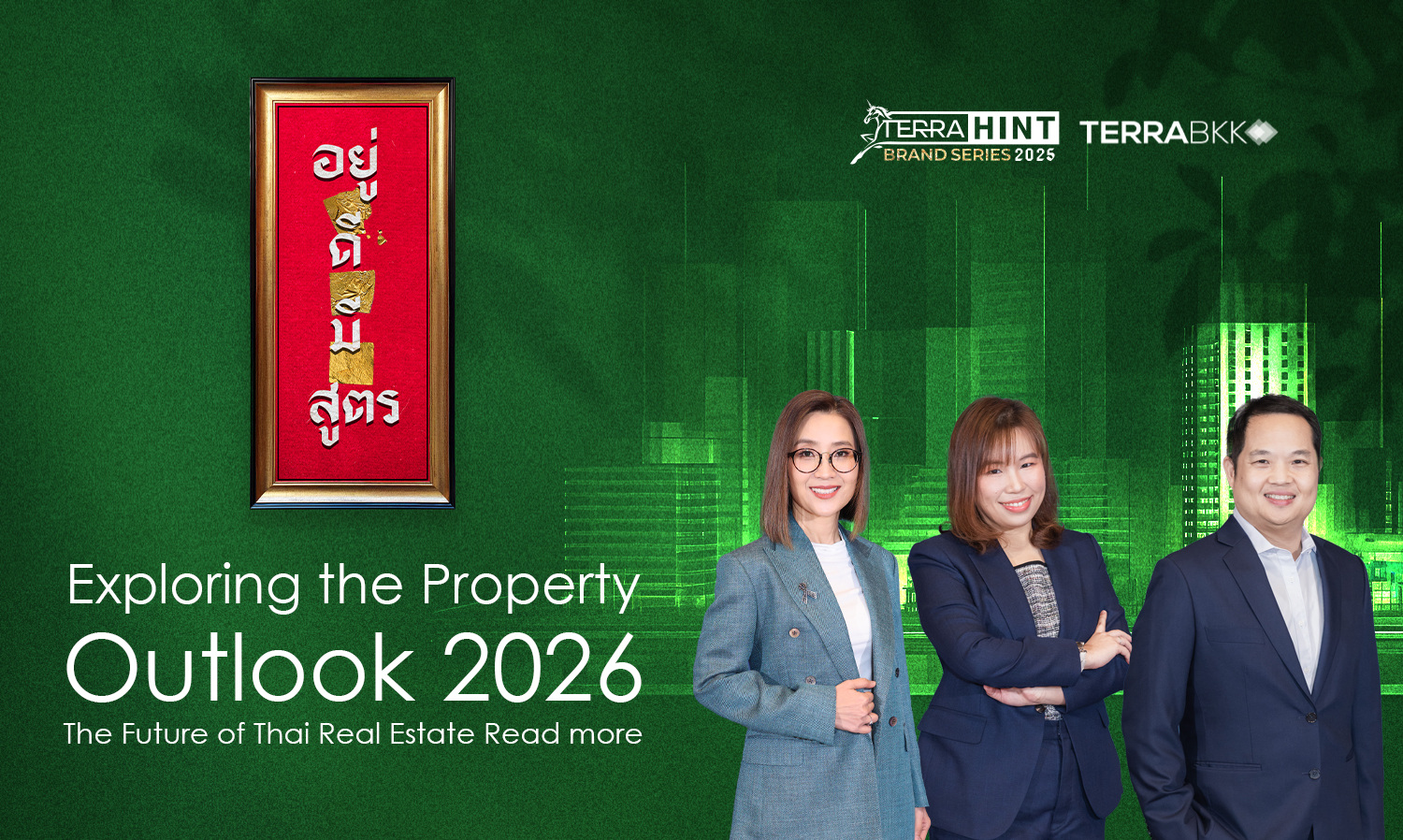
Exploring the Property Outlook 2026: The Future of Thai Real Estate
Property Outlook 2026 highlights new opportunities in Thai real estate through wellness, resilience, and emerging growth locations.

Exploring the Property Outlook 2026: The Future of Thai Real Estate
It is undeniable that the Thai real estate market is currently facing challenges on multiple fronts.
The crucial question that every developer and investor seeks to answer is: "What are the true growth opportunities for Thai real estate in 2026?"
The TERRAHINT BRAND SERIES seminar, initiated by the TerraBKK.com website, is not only an annual event but also provides direction and continuous inspiration for Thai real estate entrepreneurs.
This year, the TERRAHINT BRAND SERIES 2025 is held under the theme The Wellness Blueprint #LiveWellWithFormula. This year is even more special with the introduction of a lecture titled “Property Outlook 2026: New Opportunities in the Real Estate Market: Analyzing Trends, Directions, and Risk Factors”, which aims to turn crises into positive momentum. The lecture will be delivered by the TerraBKK team, led by Ms. Sumitra Wongphakdee, Managing Director of Terra Media and Consulting Co., Ltd., along with Ms. Kritsana Jindanan, Head of Consulting, and Ms. Piyaporn Lertvisutpaiboon, Head of Research, to provide sharp insights for a stable journey towards 2026.
The Triple Helix: Driving Forces of Global Real Estate in 2026
The session begins with a macro-level vision of the world, summarizing key situations that impact real estate globally within 20 minutes.
"The post-COVID world has brought us to an 'intersection' of three major trends: Climate Resilience, Longevity, and Wellness. Developers who can integrate this Triple Helix into their products will be able to create sustainable value," Dr. Kritsana Jindanan, Head of Consulting, begins by emphasizing the importance of these three major topics before delving deeper.
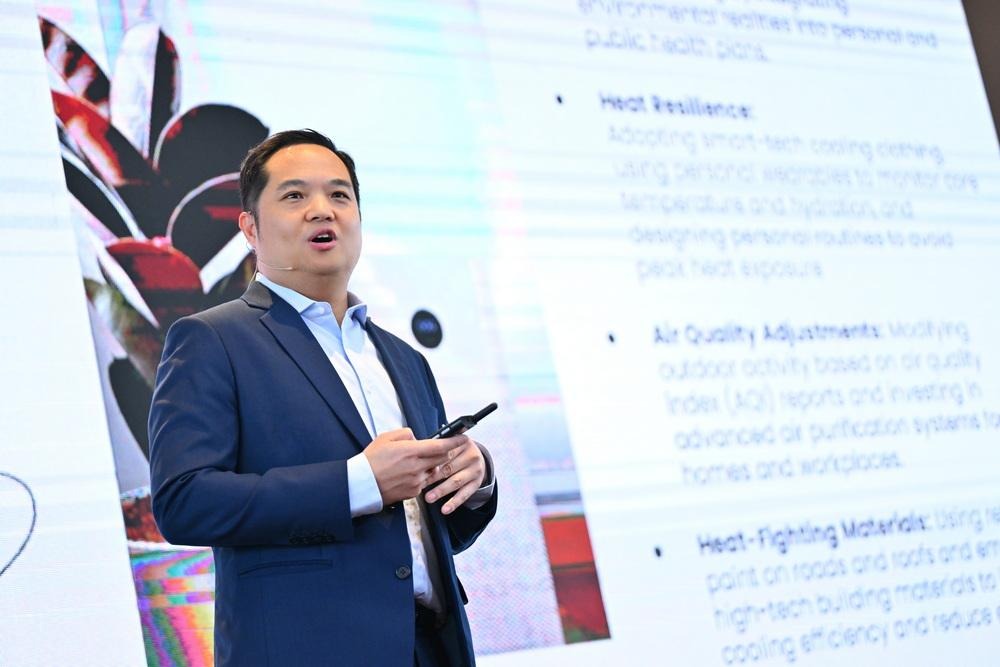
Trend 1: Climate Resilience: The Era of Stringent Environmental Regulations Everyone is acutely aware of the ongoing intensification of global warming. Statistical reports confirm record highs in global temperatures over recent years. While the global community has yet to achieve the goal of limiting the increase in global temperatures to 1.5 degrees Celsius, Thailand's adjustment of its Net Zero target from 2025 to 2050 is a clear signal that environmental regulations related to carbon credits will inevitably tighten, significantly impacting the real estate sector.
Firstly: Pressure from Green Laws and Financing Developers must prepare to face legal pressures at both global and national levels, including:
- CBAM (Cross-Border Adjustment Mechanism): The EU's measure is merely the "starting bell" announcing that the era of carbon tax collection has arrived, followed by regulations affecting other industries, including the upcoming Green Fuel Tax for air transport in countries like Singapore.
- Thailand's Global Warming Act: The progress of Thailand's Global Warming Act will dictate the direction of carbon tax measures and emission trading schemes domestically, profoundly affecting cost management and project design.
- Green Funding Requirement: The demand for access to green funding from global financial institutions will increase, with a key condition being the possession of various green certifications. Thus, investing in these standards is not just about image but also about business opportunities.

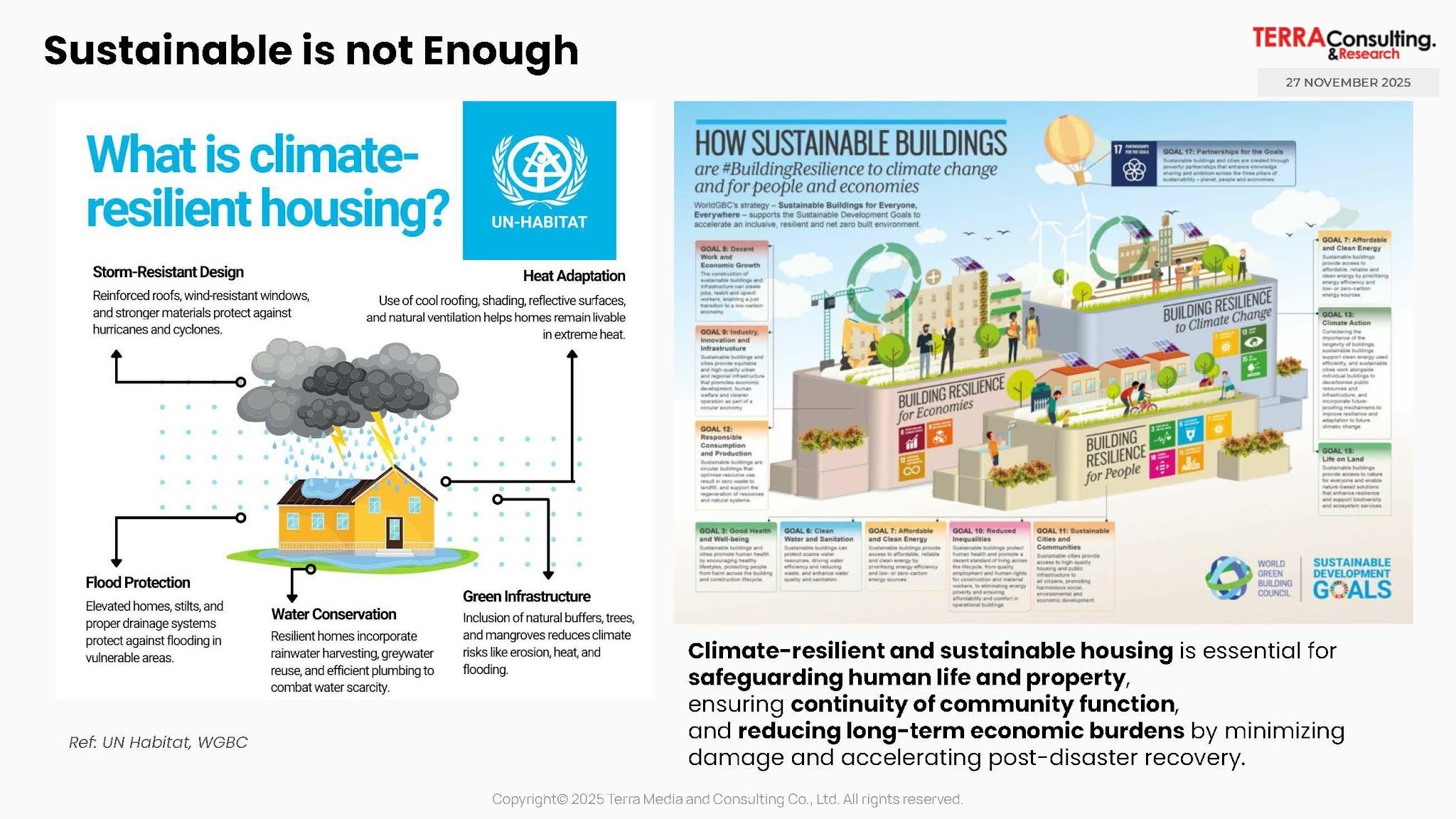
Secondly: Adaptive Living and Resilience Housing In a situation where halting global warming is challenging, what real estate developers must do is create Adaptive Living or lifestyles that can adapt to changes. This includes designing residences to cope with increasing heat, using heat-fighting materials, and integrating both passive and active design techniques to make homes "cooler" while designing efficient air conditioning systems. These will become new basic features, along with coping with natural disasters and the resilience of housing, leading to the development of climate-resilient housing and innovative construction methods.
Examples from abroad, such as amphibious housing and hurricane-resistant buildings designed with specialized engineering, reflect the necessity of building resilience in infrastructure.
"As disasters become more severe and frequent, we don't just want climate-proof homes; we need resilient homes that are 'easy to repair and maintain' so that when disasters pass, residents can resume their lives immediately,"
Trend 2: Longevity As the world transitions into a silver society, it is a reality that people are likely to work longer, up to the ages of 65-70, which means living spaces must accommodate the quality of life and work for the elderly, including:
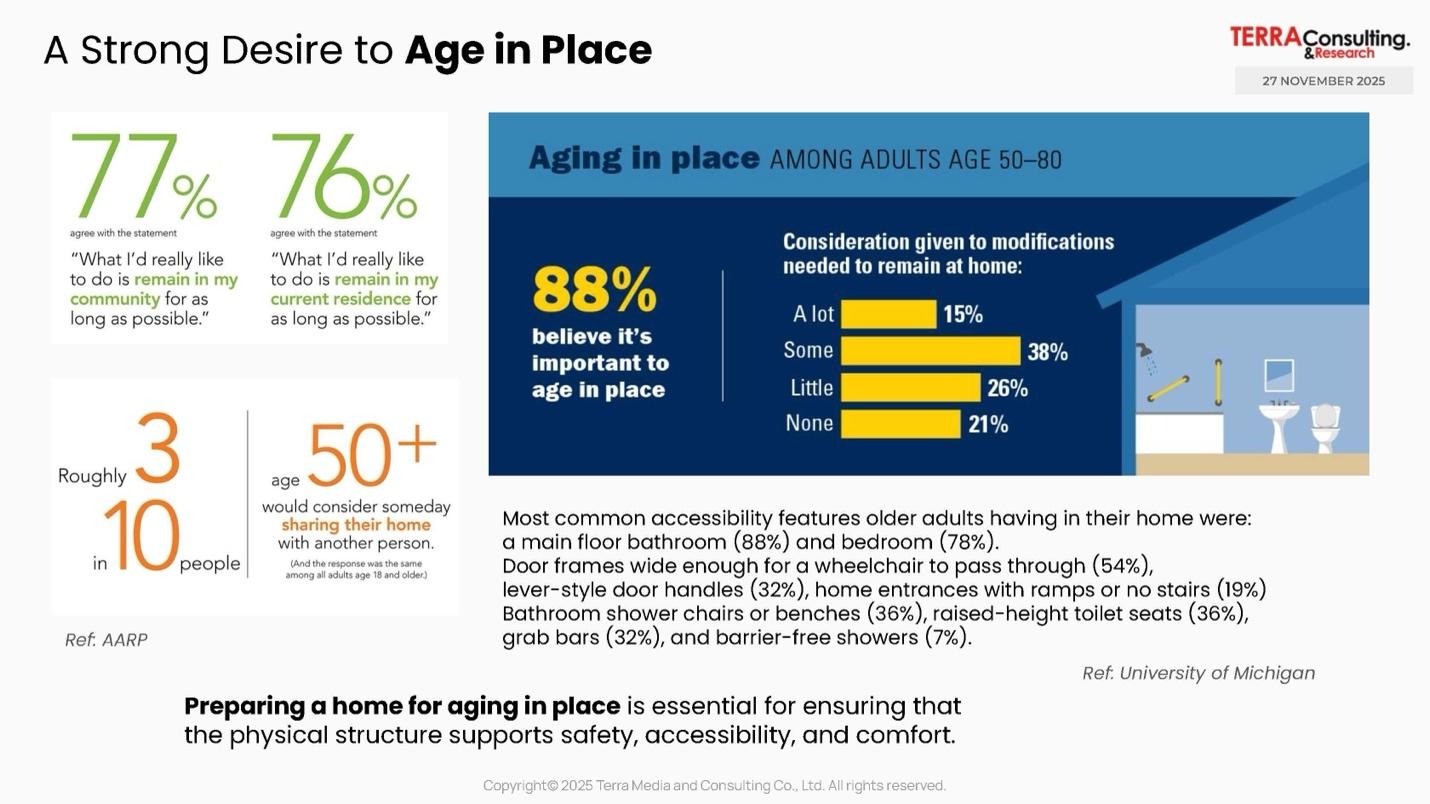
- Universal Design: The primary need of the elderly is aging in place, or being able to "age in familiar surroundings," which presents significant opportunities for developing new products. Shifting mindsets towards Universal Design (UD) will be implemented with a deeper intention than just catering to the disabled or elderly; it is about designing for everyone, including ourselves in the future.
Therefore, designs that reduce the risk of accidents will increase, with homes needing to be flat, installing ramps at entrances, and placing equipment and electrical outlets at appropriate levels, which not only helps the elderly but also enhances convenience for everyone.
“The market for home modifications to accommodate the elderly will grow exponentially, requiring experts in design and materials who truly understand UD principles,”
- Multi-Generation Community and Social Connection: Designs that emphasize isolation are no longer viable; instead, communities must be flexible and promote interaction. For example, mixed development projects like B’s Gyozenji in Japan demonstrate the power of integrating elderly welfare centers, daycare for children, and general retail spaces to foster interaction between different age groups, which is crucial for the mental health of both the elderly and younger generations. Additionally, designing communal spaces that promote physical activity suitable for all ages allows everyone to live actively and socially.
Trend 3: Wellness Mandate: Good Health as a Fundamental Necessity and New Value in Real Estate After COVID-19, wellness has accelerated to become a key factor in purchasing decisions, driven by health crises and behaviors in the digital world, including concerns about non-communicable diseases (NCDs) and the impacts of digital fatigue, leading many to focus on digital detox and seek restorative spaces.
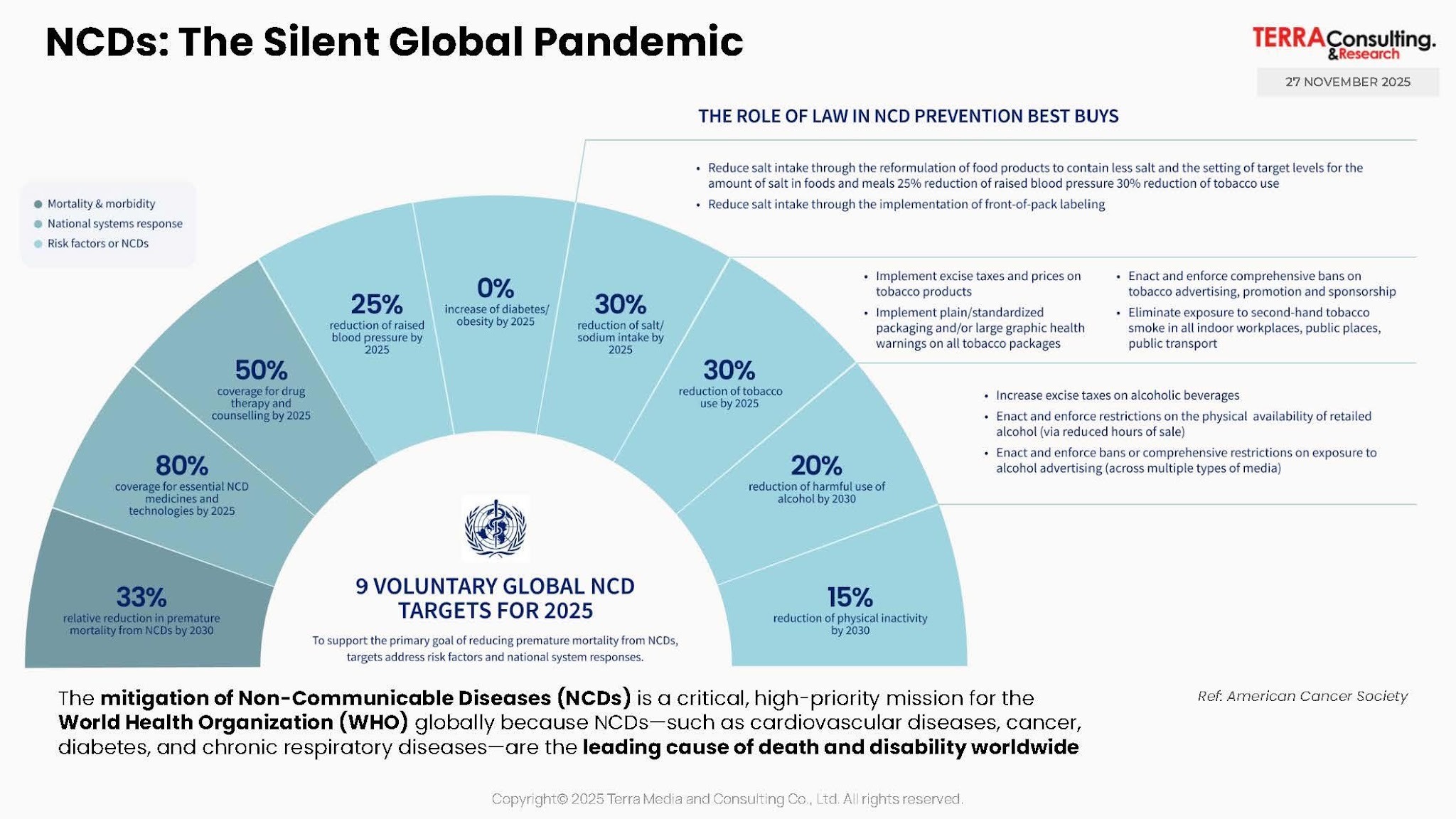
“With a market value of over $6.8 trillion, the wellness real estate market is poised for significant growth, as promoting health (physical activity, healthy eating) requires space to operate,”
Going forward, designing residential and office spaces to include “restorative areas” will be key. Implementing biophilic design to connect people with nature, allocating flexible spaces for physical activities, and allowing for power naps or rest periods at work are all responses to wellness needs.
“The concept of wellness is no longer exclusive to luxury projects. Examples of affordable housing that emphasize green space and activity areas also promote physical activity and wellness that is accessible, creating real value for residents at all levels.”
The Situation of Thai Real Estate: Challenges & Opportunities in Prime Locations
Next, we analyze the situation of the Thai real estate market, presented by Ms. Piyaporn Lertvisutpaiboon, Head of Research, who provided statistical data to highlight the reality that the Thai real estate market is facing a "buying power crisis" due to credit issues and household debt.
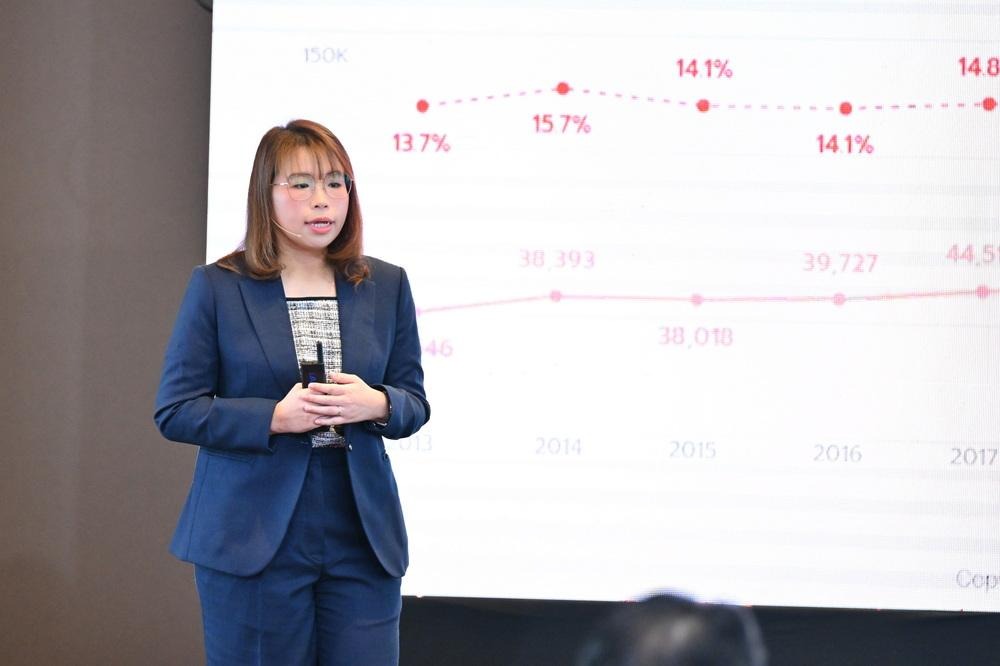
"The real issue in the Thai real estate market is the buying power crisis, particularly in the segment priced below 3 million baht, which has a rejection rate of up to 70%, forcing developers to 'escape' to launch projects in the high-end segment instead,"
"Opportunities for real demand in housing still lie in the low-rise segment at reasonable prices, especially below 10 million baht in suburban areas with potential, which is a market that operators must refocus on by enhancing value that meets real-life needs."
In-depth analysis of key location zones reveals that from over 4,000 projects, there are significant differences in strategies that must be employed in each area.
1. CBD Zone (Central Business District: Silom, Sathorn, Sukhumvit, Rama 3)
- The low-rise market is a niche market with few new launches, but average selling prices continue to rise by 10%, with an average price of 65 million baht per unit.
- The condominium market in this zone has seen a 15% increase in new project launches, but average prices per square meter remain stable. Most of the remaining inventory is in the luxury segment, requiring targeted marketing towards foreign and high-net-worth individuals.
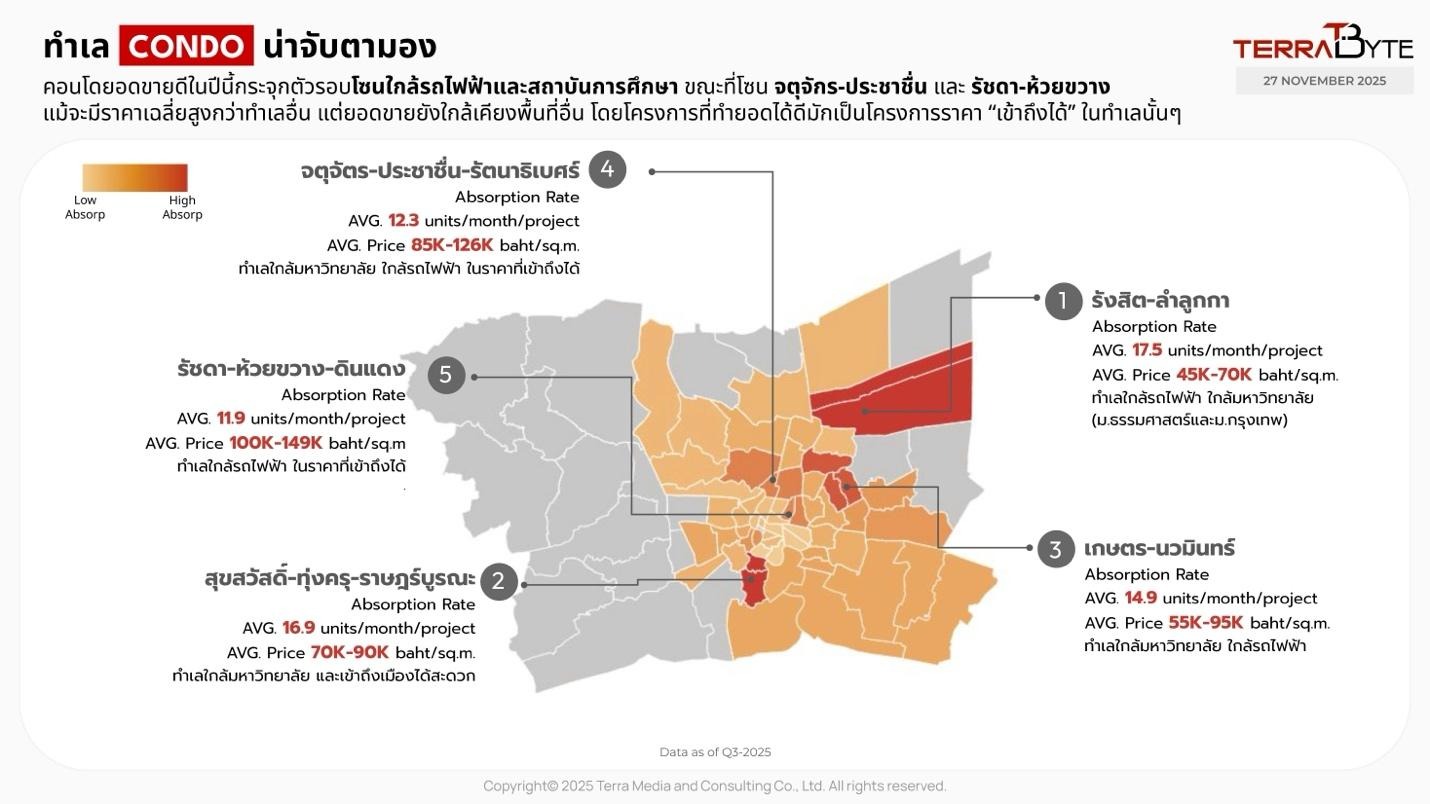
2. Urban Zone (Chatuchak, Phaya Thai, Ratchada, Huai Khwang)
- The condominium market is shrinking alarmingly, with new project launches at their lowest in a decade. The best-selling condos are in the price range below 150,000 baht/sq.m., which meets the real demand for living close to the city.
- The best-selling low-rise products are those priced below 10 million baht, primarily consisting of three-story townhomes.
3. Eastern Zone (Kaset-Nawamin, Minburi, On Nut, Lat Krabang)
- The low-rise market stands out compared to condominiums, with prices increasing by an average of 11?ch year, with best-selling products priced below 10 million baht.
- Condominium prices remain stable at 70,000 – 80,000 baht/sq.m., with best-selling products priced below 150,000 baht/sq.m.
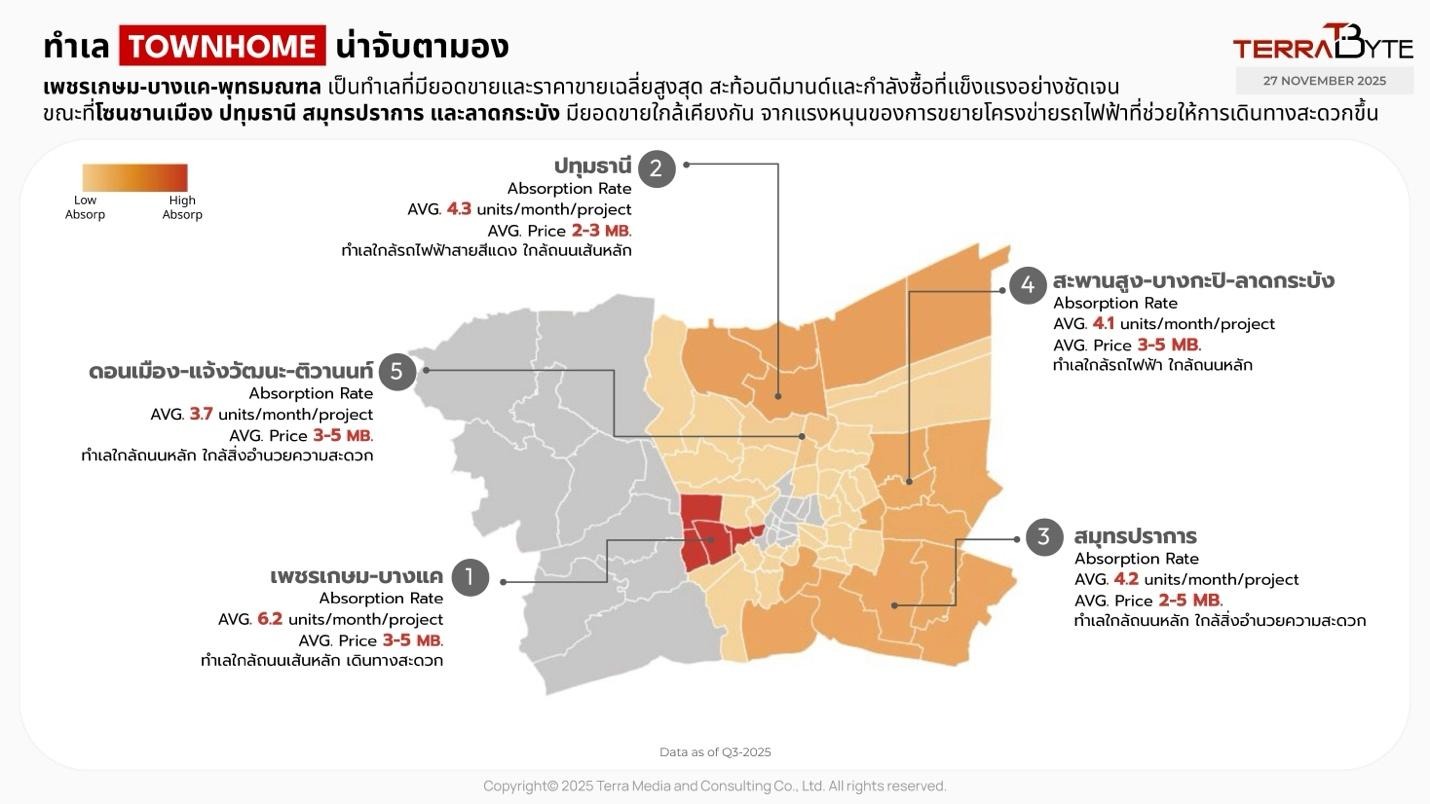
4. Western Zone (Pinklao-Kanchana-Suksawad-Rama 2)
- The low-rise market in this zone has seen prices increase by 5%, but new project launches have significantly decreased, with inventory levels at 10-20 million baht, which is the slowest-selling segment. The best-selling products are those priced below 3 million baht.
- The condominium market has seen a 30?crease in new project launches annually, reflecting the highest caution among developers.
5. Northern Bangkok Zone (Don Mueang-Chaeng Watthana-Rangsit-Lam Luk Ka)
- The low-rise market remains stable in both price and project launches, with most remaining inventory priced at 3-5 million baht, primarily consisting of townhomes in the Rangsit-Lam Luk Ka area.
- The condominium market shows a trend of rising prices, especially since last year, benefiting from the extension of the Mo Chit-Ku Kot line, with best-selling prices at 60,000-150,000 baht/sq.m., although this price range has a lot of inventory in the market.
6. Nonthaburi Zone
- The low-rise market outshines the condominium market, leading to continuous price adjustments, especially over the past 5-6 years, with prices increasing by an average of 10% per year. Most remaining inventory is priced at 3-7 million baht, which is the best-selling price range in the zone.
- The condominium market is not performing well, primarily focusing on clearing stock of condominiums along the purple line that have been lingering since 2015, with an oversupply situation in the area, where most remaining inventory is priced below 60,000 baht/sq.m.
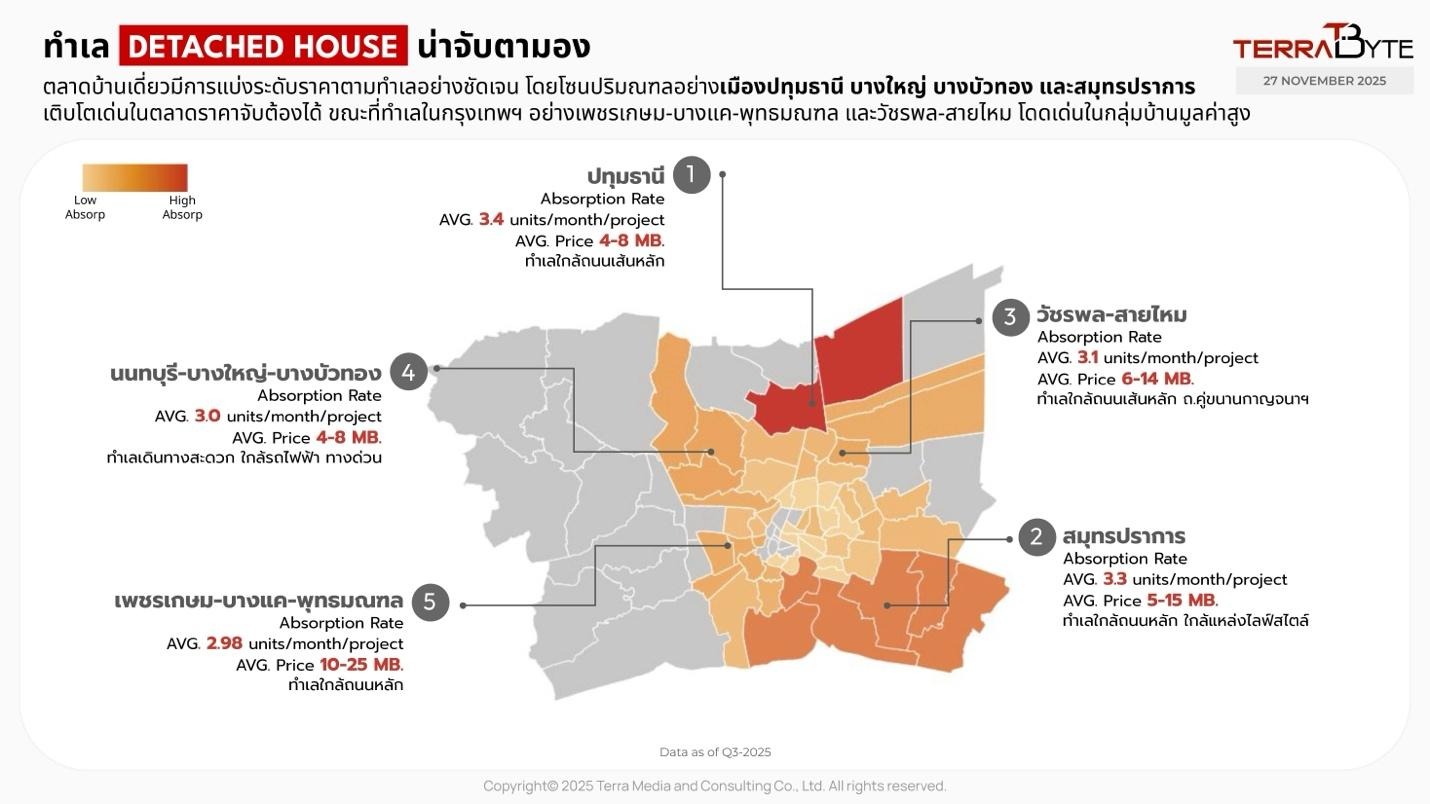
In summary, opportunities in the Thai real estate market 'still exist', particularly in the high-end market, which is a safe haven with real purchasing power and low risk. However, caution is needed regarding high competition and the need to adjust strategies to meet the demands of high-end customers, while the mass segment still has opportunities in three-story townhomes priced at 3-5 million baht and single houses priced at 5-10 million baht, as these price levels are accessible. Developers must prioritize assisting customers in accessing credit and creating value-added features for lower-priced products to stand out from competitors.
New Opportunities in Thai Real Estate Towards Creating a Better Quality of Life
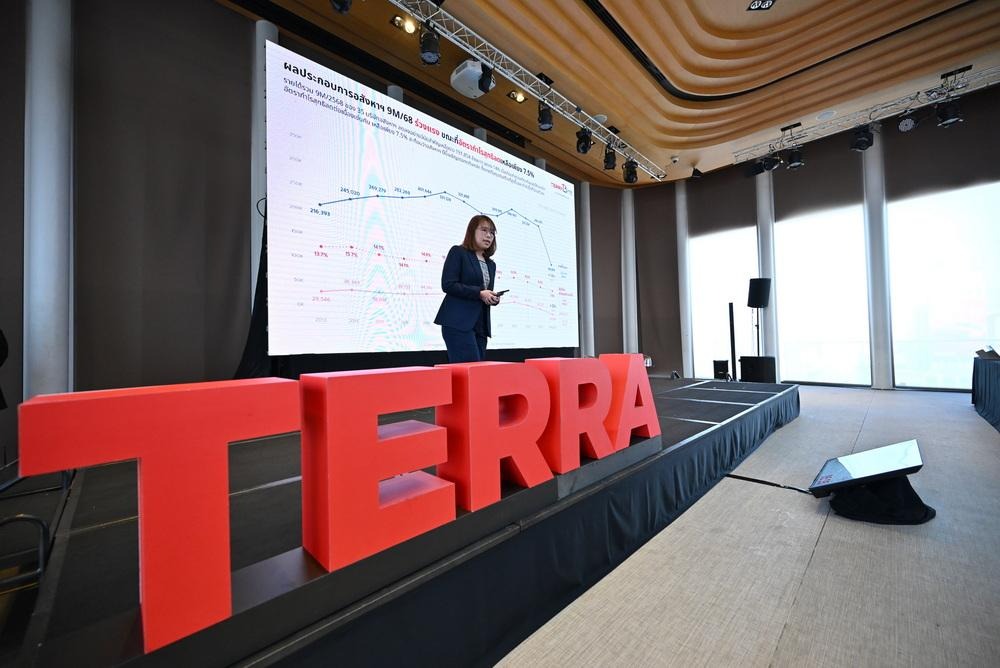
Having examined the situation in Bangkok, let’s take a broader look at the Thai real estate market nationwide, presented by Ms. Sumitra Wongphakdee of TerraBKK.com, who provided in-depth information reflecting the next steps for the Thai real estate market.
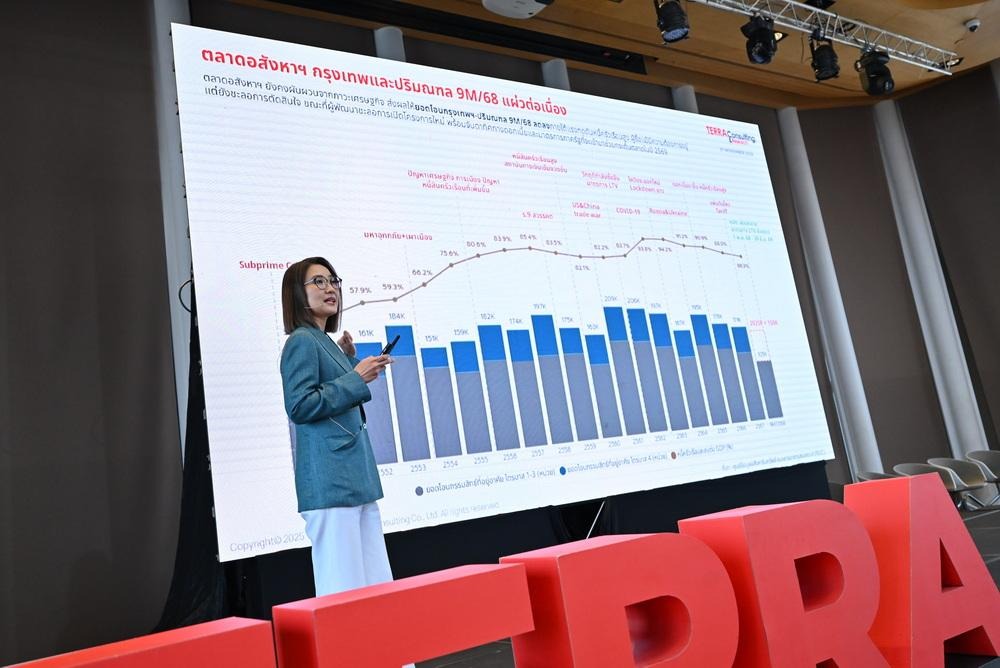
Signs of Change as Household Debt Eases: Over time, household debt has been a significant factor holding back purchasing power and property transfers, particularly in the Bangkok market. When comparing transfer data with household debt statistics, a clear overlapping relationship emerges, indicating that the main obstacle preventing "homebuyers from securing loans" is high personal debt burdens.
However, recent data reveals positive signs that “household debt is trending downwards,” which is a good indicator suggesting that in 2025 or 2026, the chances of the real estate market rebounding significantly are high. Although total transfer volumes in 2024 are still projected to be negative compared to 2023, this decrease in household debt is a crucial variable to watch.
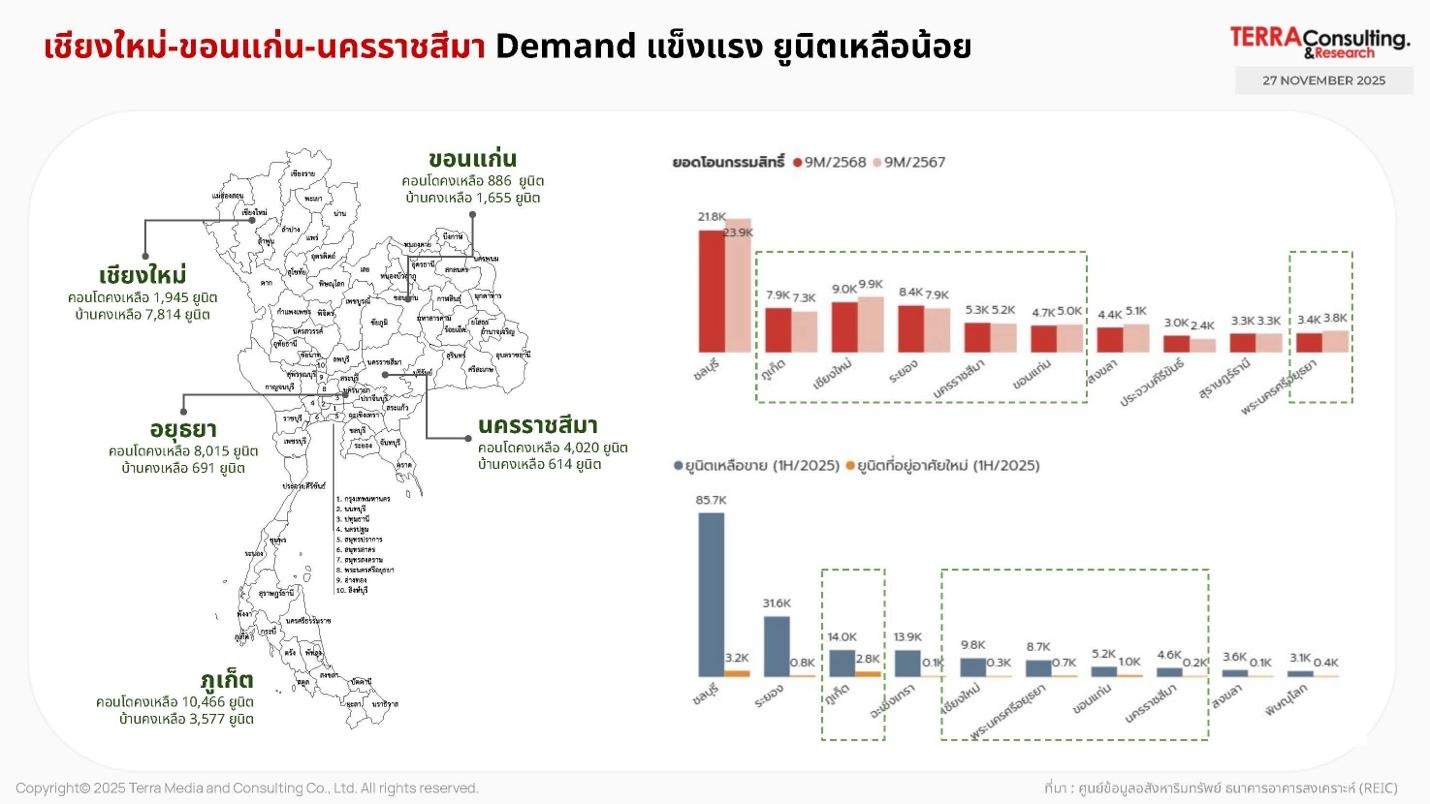
Growth Outside Bangkok: A Turning Point for Major Cities: While the Bangkok market may show continuous declines, a broader view across Thailand indicates that the overall real estate market is improving, reflecting that opportunities are no longer confined to Bangkok. In the past, Bangkok held over 90% of the market share, but now secondary cities are clearly growing, supported by the government's vision to create city branding and promote the establishment of urban development companies in each province.
- The province with the highest transfer value after Bangkok is Chonburi, which has consistently ranked second.
- Rising stars with improved transfer volumes last year include Chiang Mai, Rayong, and Phuket, demonstrating varying growth potential based on the unique characteristics of each area.
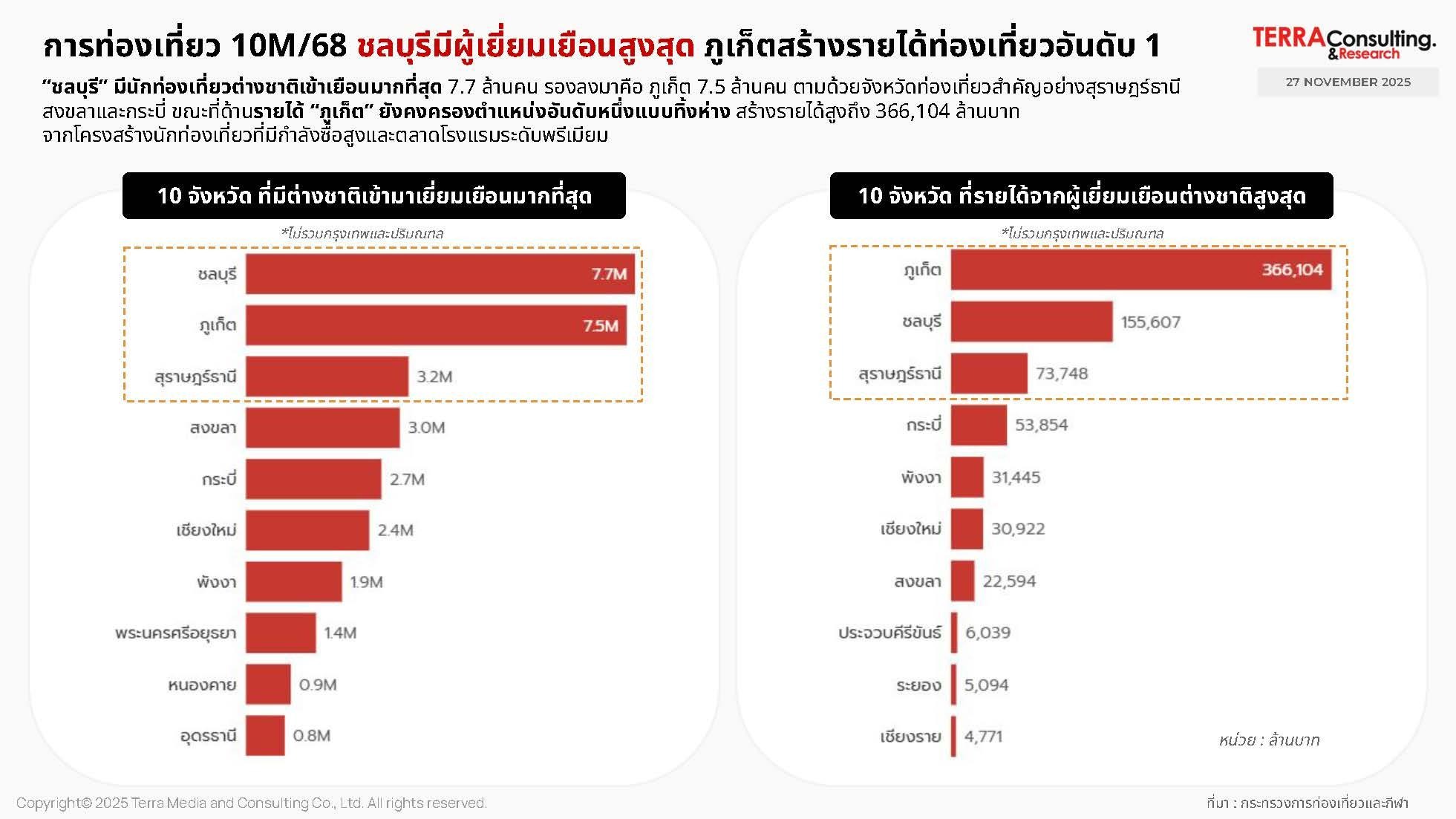
Targeting Foreign Purchasing Power: Focusing on "foreign purchasing power" has become a popular strategy for condominium projects, but setting targets without studying the reality can lead to issues of "condo oversupply."
“Foreign buyers do not decide to purchase real estate in Thailand immediately upon visiting. The decision often requires time and a detailed process. Interviews reveal that most foreign buyers typically need to visit Thailand at least three times a year before making a purchase decision. This is why, when working with foreign agents, it is essential to allow at least six months for marketing, giving clients time to view projects and build confidence.”
Currently, the largest group of foreign workers after Bangkok is in Phuket, followed by Chonburi, Rayong, Surat Thani, and Chiang Mai. The largest group entering the workforce is from China, emphasizing the purchasing power and labor from China. While Bangkok remains the top tourist market (per capita income), Phuket follows, with Chonburi and Surat Thani (Koh Samui) gaining significant traction from soft power and foreign awareness.
Although the number of Chinese tourists has decreased, Thailand's tourism continues to receive support from other groups, including Europe, the Middle East, America, and Africa, which are increasing. The decline in Asian tourists may be due to higher costs, leading some to travel to neighboring countries like Vietnam or Japan. Building confidence in the country and government-level negotiations are also crucial strategies to attract the Chinese market back.

New Location Treasures: The search for new locations is driven not only by economic factors but also by natural factors and confidence in safety.
- Southern Thailand: The spearhead of the future: Analysis shows that several provinces in the south, including Phuket, Krabi, and Phang Nga, are growing remarkably.
- Northeastern Thailand: The dark horse to watch: Khon Kaen and Nakhon Ratchasima show promising signs. One interesting reason is that these areas have not been affected by earthquakes, leading to increased safety confidence, resulting in higher sales in these areas. The primary market in the Northeast is Thai people, keeping prices lower than in the south and providing opportunities for mid to lower market development.
- Central and Northern Thailand: Ayutthaya and Chiang Mai find that locations not prone to flooding are becoming highly sought after and valued, as consumers who have experienced severe flooding want to permanently relocate to safer areas. Developers should use natural risk data to determine location strategies and pricing.
Mega Projects: The Foundation of Future Opportunities: These remain a crucial foundation for driving the real estate market and creating long-term opportunities, despite economic constraints, particularly important connectivity projects:
- M81 Motorway (Bang Yai-Kanchanaburi): This will reduce travel time to just 1.5 hours, opening new areas for real estate development along the route.
- Land Bridge: This project connects the Gulf of Thailand and the Andaman Sea, being strongly pushed by local leaders, such as in Phuket, creating logistics and real estate opportunities in the upper south.
- Future Electric Rail Lines: Six new electric rail lines in Bangkok and surrounding areas are nearing implementation, serving as a "blueprint" for investors to study land potential and plan strategies in new locations.
New Market Penetration Strategies: For real estate developers looking to expand into new locations, a key recommendation is to "do what you excel at first," such as specializing in condominiums or low-rise developments, and then apply this core expertise in new locations to mitigate risks, leveraging support from existing customer bases. Nevertheless, the three main real estate associations continue to collaborate on urgent measures to alleviate economic challenges and stimulate the market, which is a crucial variable for investors to monitor.
All of this is the Property Outlook 2026, revealing both challenges and bright opportunities in driving the real estate market, reflecting that success in the new real estate era is not solely measured by sales figures but by the ability to deliver sustainable quality of life to residents.
Subscribe to our newsletter
Stay up to date with Angel RE news and pre launch offers