
Beyond Energy Savings: 8 WorkWell Models to Build a Greener, Healthier Office
Gensler's 8 WorkWell dimensions show how green offices in Thailand can protect the planet and support employee wellbeing.


The office real estate market in Thailand is intensely competitive. Relying solely on prime locations, energy efficiency, or green building certifications like LEED or WELL is no longer enough, because these features have become common expectations.
Prioritizing employee health and well-being has become a significant focus for many major real estate developers and tenants. This aligns with the latest trends from the Global Wellness Institute, which highlight wellness communities as essential infrastructure expected by the modern workforce (Wellness Communities and Real Estate Initiative Trends for 2026).
To elevate Thailand’s green offices, we must move beyond conventional boundaries. We need to rethink how green buildings can simultaneously protect the environment, restore mental well-being, and improve the overall quality of life for tenants.
Let’s explore how this approach can make Thailand's real estate industry more dynamic and livable.
From Energy-Efficient Structures to Human-Centric Spaces
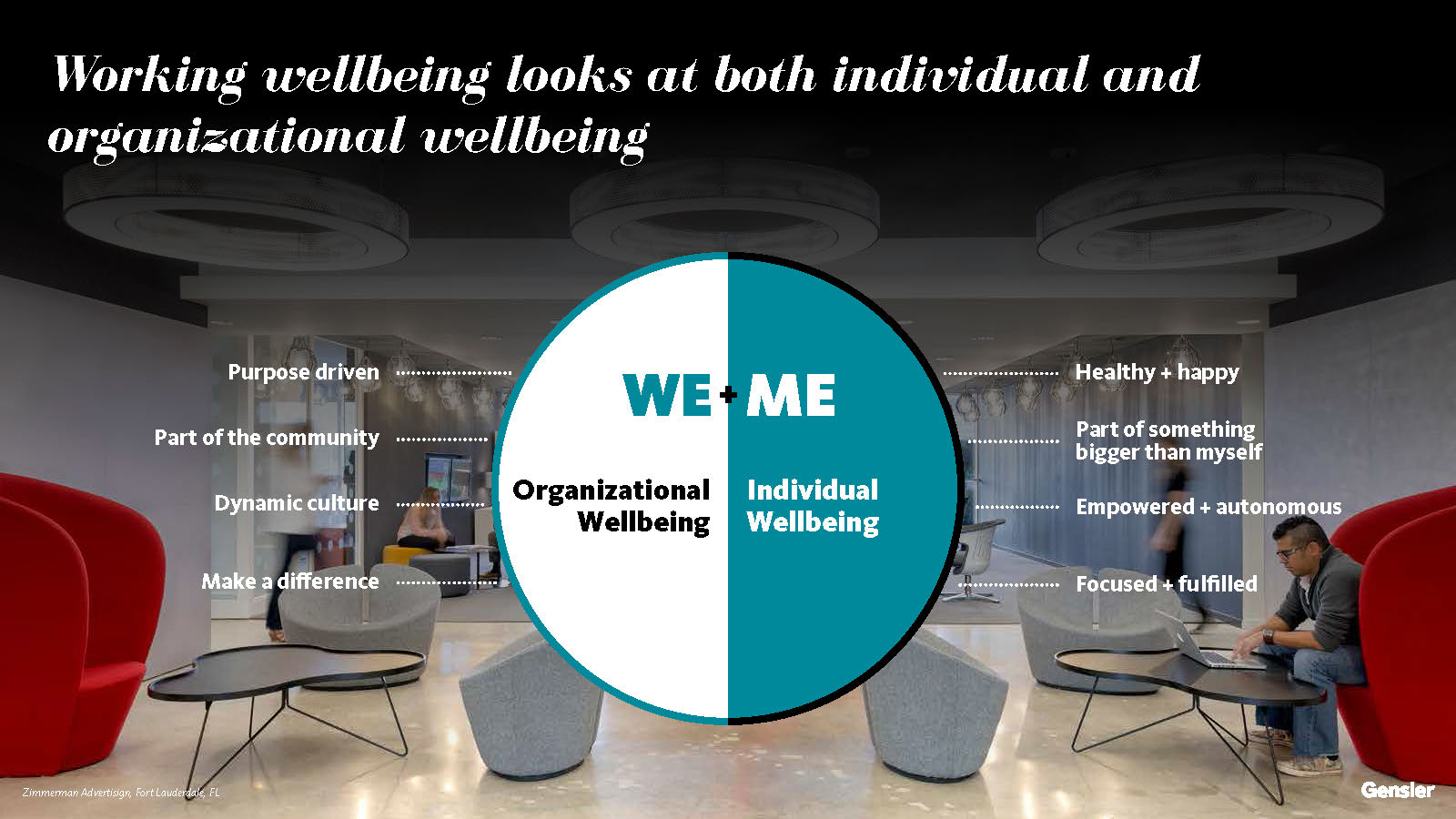
Office workers spend nearly 12 hours a day inside commercial buildings. If these structures focus solely on energy savings while neglecting the occupants inside, gaining inspiration or reducing accumulated stress becomes difficult for tenants. According to Gensler’s Working Wellbeing 2016 insights, traditional workplace wellness models often focus too heavily on physical building specifications and floor area, overlooking a deeper focus on employees’ emotional needs.
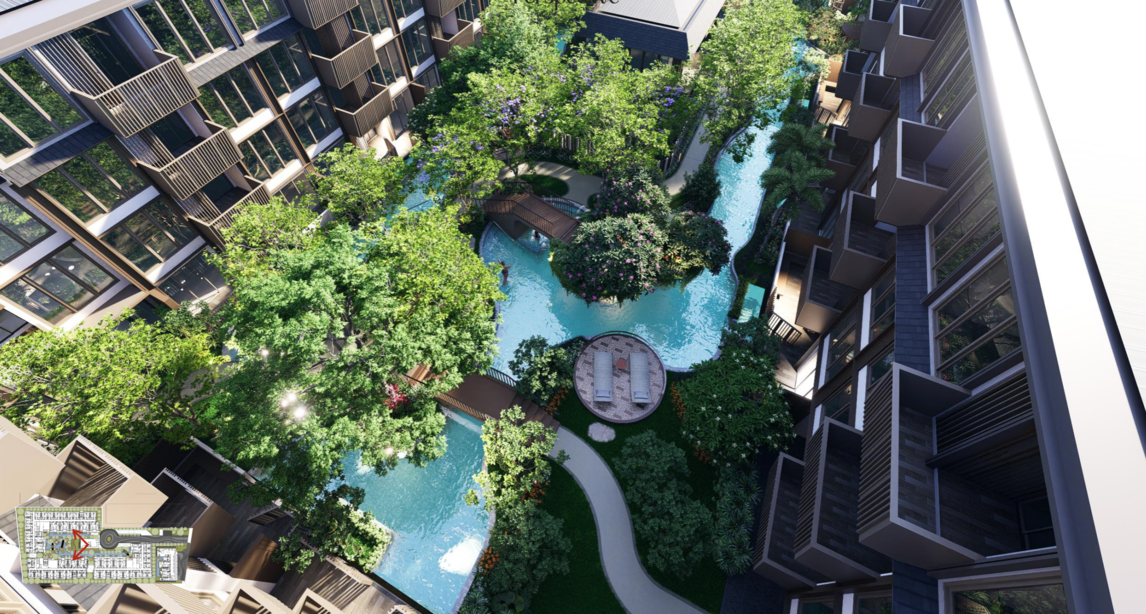
Therefore, modern green office design must focus on creating a positive environment that boosts energy and sparks creativity. This is achieved through biophilic office design, which integrates nature with architecture. Numerous studies show that incorporating plants, natural light, and organic materials into office spaces reduces greenhouse gas emissions (GHGs) and energy consumption while significantly lowering stress, improving focus, and boosting overall productivity.
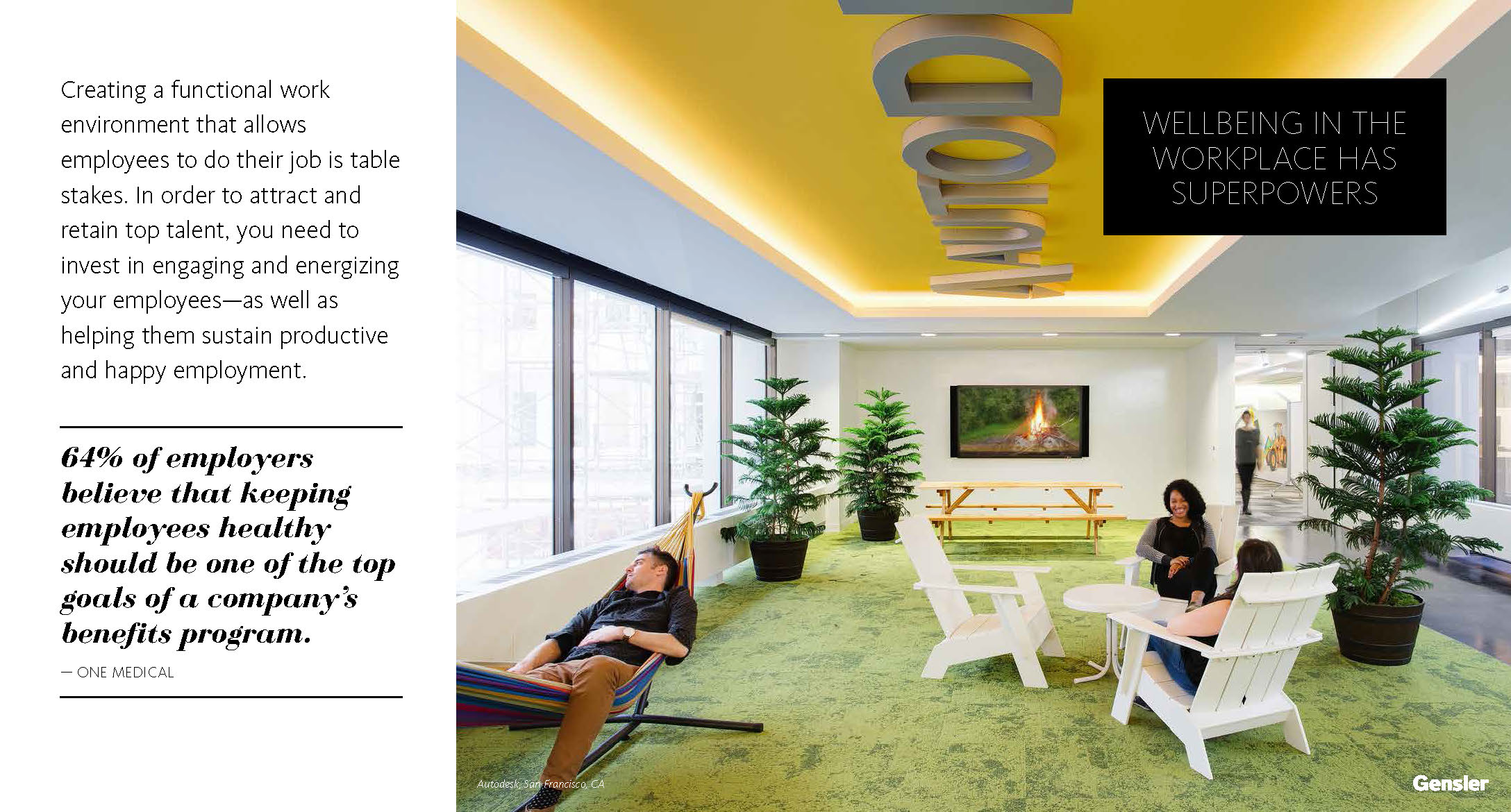
Recharge Minds and Heal Spirits: The 8 WorkWell Models
Elevating green offices to meet the expectations of today's workforce requires more than just caring for the environment. It is an investment to re-energize employees and build engagement so they can unlock their full potential, stay happy, and maintain long-term productivity.
Architectural and interior design plays a crucial role in creating healing office environments that support physical, mental, and social well-being. Gensler’s 8-Dimension WorkWell Model offers a reliable framework for office design. Although introduced in 2016, these guidelines remain highly effective today:
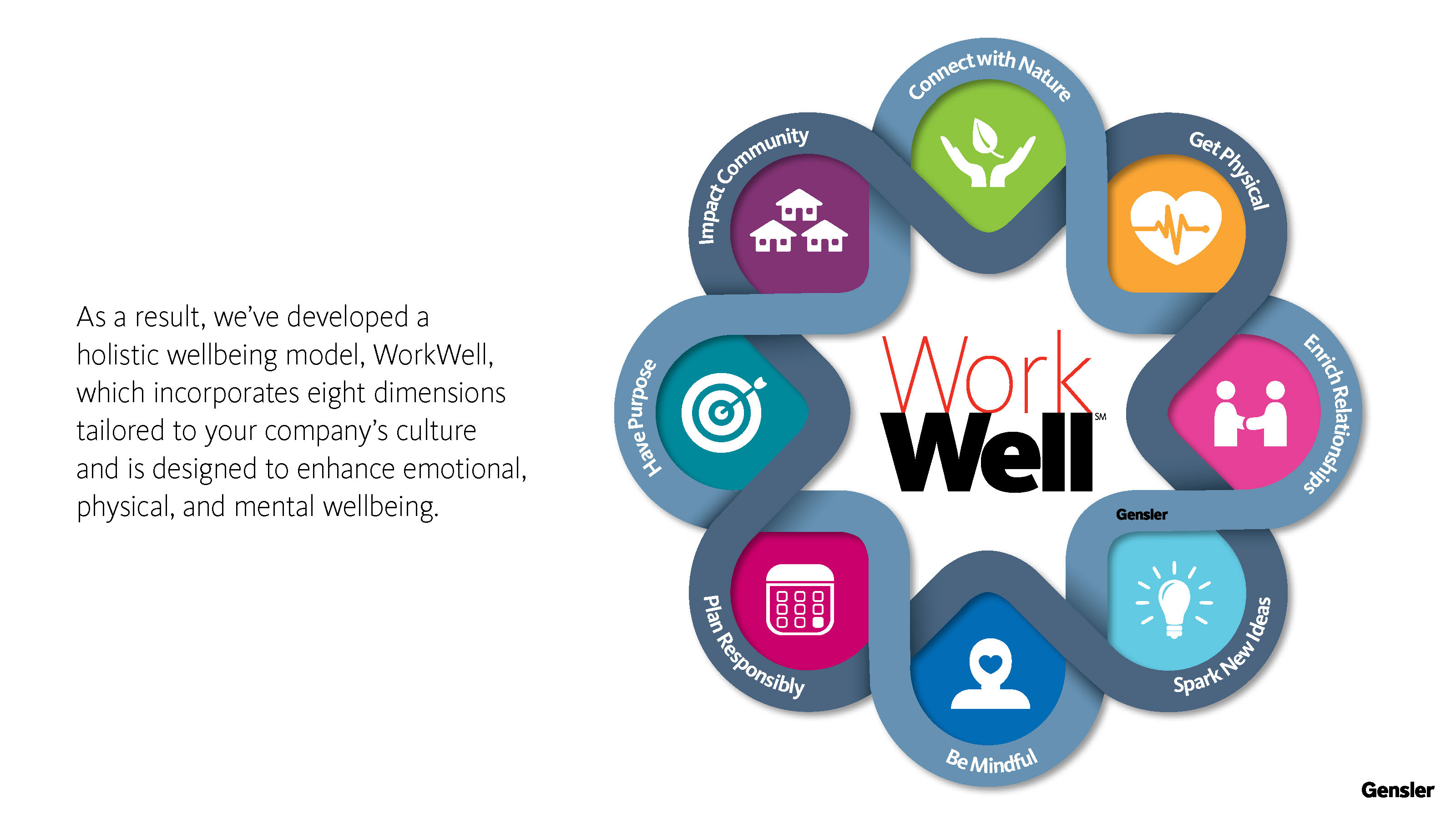
1. Get Physical
Design work environments that encourage physical movement and reduce sedentary behavior. Modern green offices should include light exercise zones, inviting stairwells that encourage walking over elevator use, and ergonomic furniture to prevent office syndrome—complemented by healthy nutrition options.
2. Connect with Nature
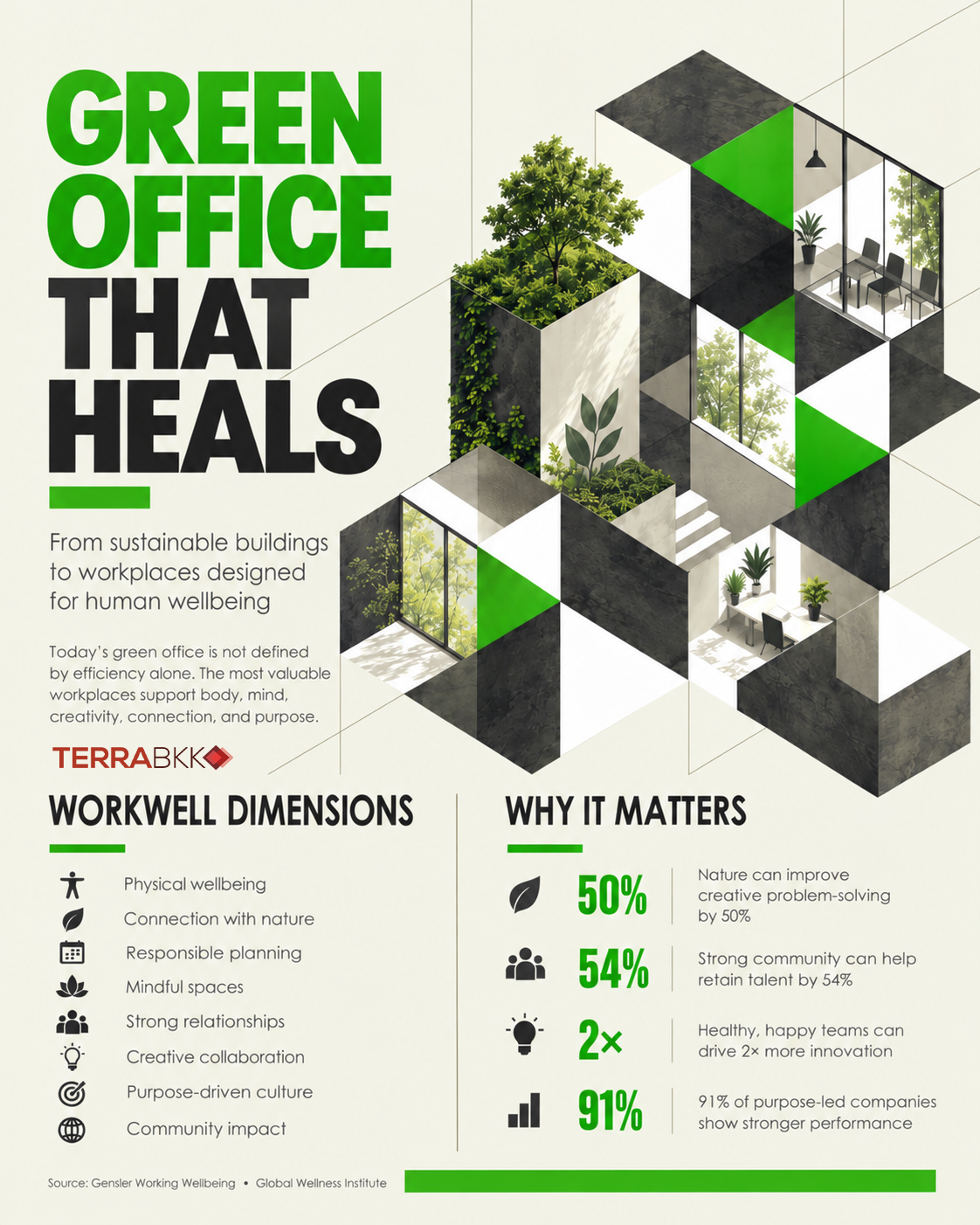
Bring nature directly into the workspace. According to Business Insider, exposure to nature can boost creative problem-solving skills by up to 50%. Designs should maximize natural daylight and feature sky gardens, green balconies, or outdoor workspaces. These elements help heal the mind, reduce stress and anger, and refresh employees.
3. Plan Responsibly
Sustainable happiness begins with personal security. Modern offices should offer spaces or programs that support personal resource management, including financial literacy, health management, and life planning. When employees feel secure about their future, stress decreases, enabling better focus and higher-quality output.
4. Be Mindful
Mindfulness does not require weekend retreats; it can be integrated into the workday. Dedicated mindful spaces, quiet rooms, or warm-toned relaxation corners allow employees to step away from screens and take deep breaths. These short mental breaks enhance emotional resilience and focus.
5. Enrich Relationships
Strong relationships drive successful businesses. Office layouts should foster interaction through welcoming common areas and inviting pantries where colleagues can gather and converse. Research indicates that a strong sense of community increases employee retention by up to 54%.
6. Spark New Ideas
Innovation and creativity are essential in modern business. Green offices should feature flexible, open collaborative spaces that support brainstorming. According to Gensler's research, companies with happy, healthy employees experience double the rate of innovation.
7. Have Purpose
Successful organizations clearly communicate their core values and purpose. Incorporating sustainability and environmental responsibility into workspace design instills pride in employees. Deloitte reports that 91% of purpose-driven companies deliver stronger financial performance.
8. Impact Community
Extend the green office concept beyond the building itself. Effective design provides spaces and programs for corporate social responsibility (CSR) initiatives. Community-focused activities strengthen team bonding and foster sustainable social value.
Conclusion
A truly sustainable office building does more than minimize environmental impact; it supports, nurtures, and energizes the hearts and minds of its occupants every day. This approach creates a lasting competitive advantage for real estate developers and corporate tenants alike.
References
Subscribe to our newsletter
Stay up to date with Angel RE news and pre launch offers