.png)

Why Thailand Is the No. 1 Food Country in the World
Thailand tops the world's food rankings in 2025, celebrated for its diverse cuisine, vibrant street food, and world-class dining.

.jpg)
Why Thailand Is the No. 1 Food Country in the World
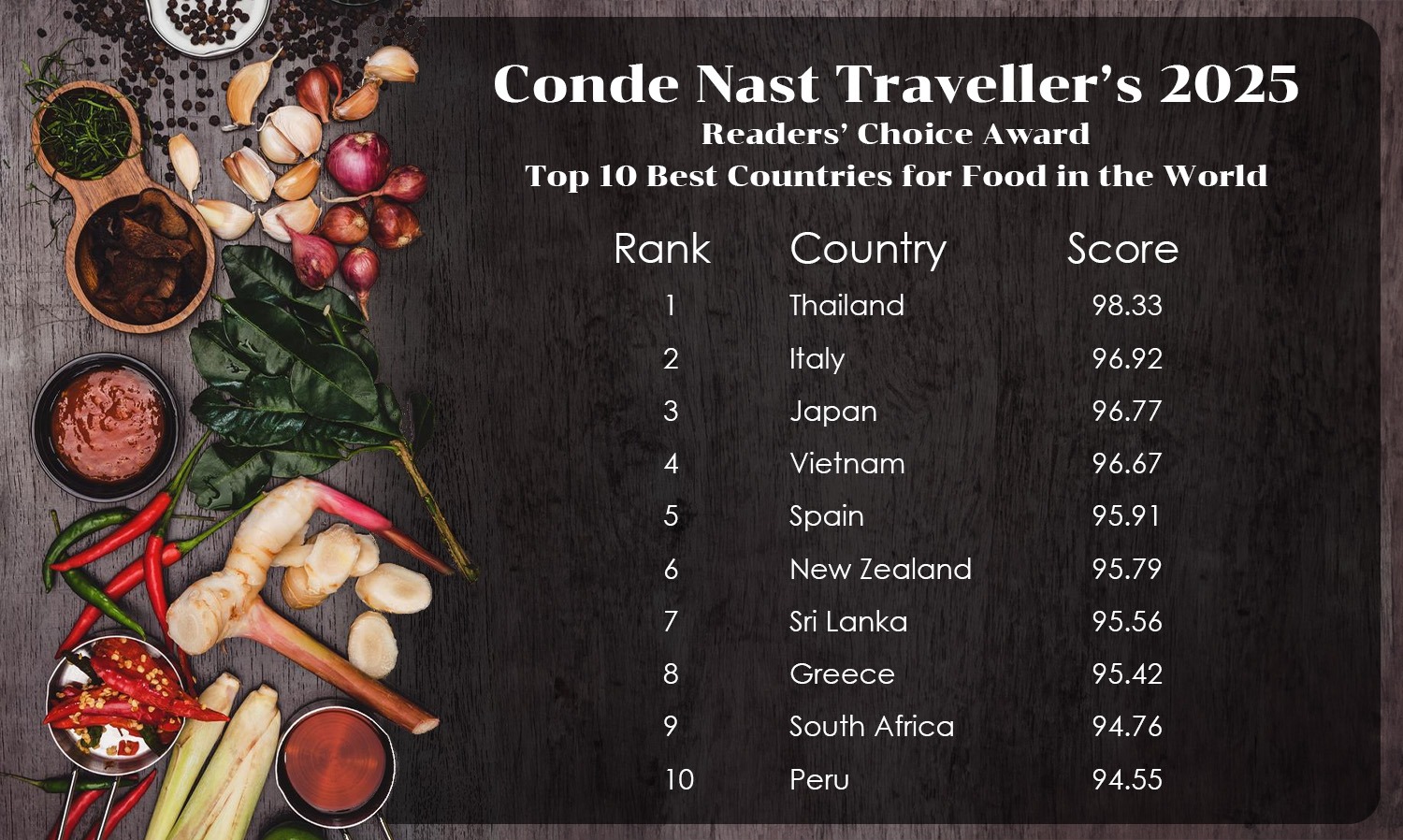
In the Condé Nast Traveller Readers’ Choice Awards 2025, Thailand has claimed the top spot as the world’s best country for food, scoring an exceptional 98.33 out of 100 according to global travelers and food lovers. This accolade places Thailand ahead of culinary giants like Italy, Japan, and Vietnam — a recognition of its vibrant culinary culture and the unforgettable experiences it offers to anyone passionate about food.
A Nation United by Food
What makes Thai food culture so remarkable isn’t just the dishes themselves — it’s the relationship the Thai people have with food. Eating is a social ritual, a family affair, and a source of daily joy. Meals are shared, markets are bustling with conversation, and the generous hospitality of vendors and chefs turns every bite into a memory. The Thai love of food is deeply cultural, rooted in a tradition that sees food not just as nourishment but as an expression of community, place, and personality.
Beyond Pad Thai and Green Curry: The Depth of Thai Cuisine
While iconic dishes like pad thai and green curry are known around the world, Thai cuisine extends far beyond these staples:
- Tom Yum Goong – A spicy, sour, and aromatic shrimp soup that showcases Thailand’s mastery of balance.
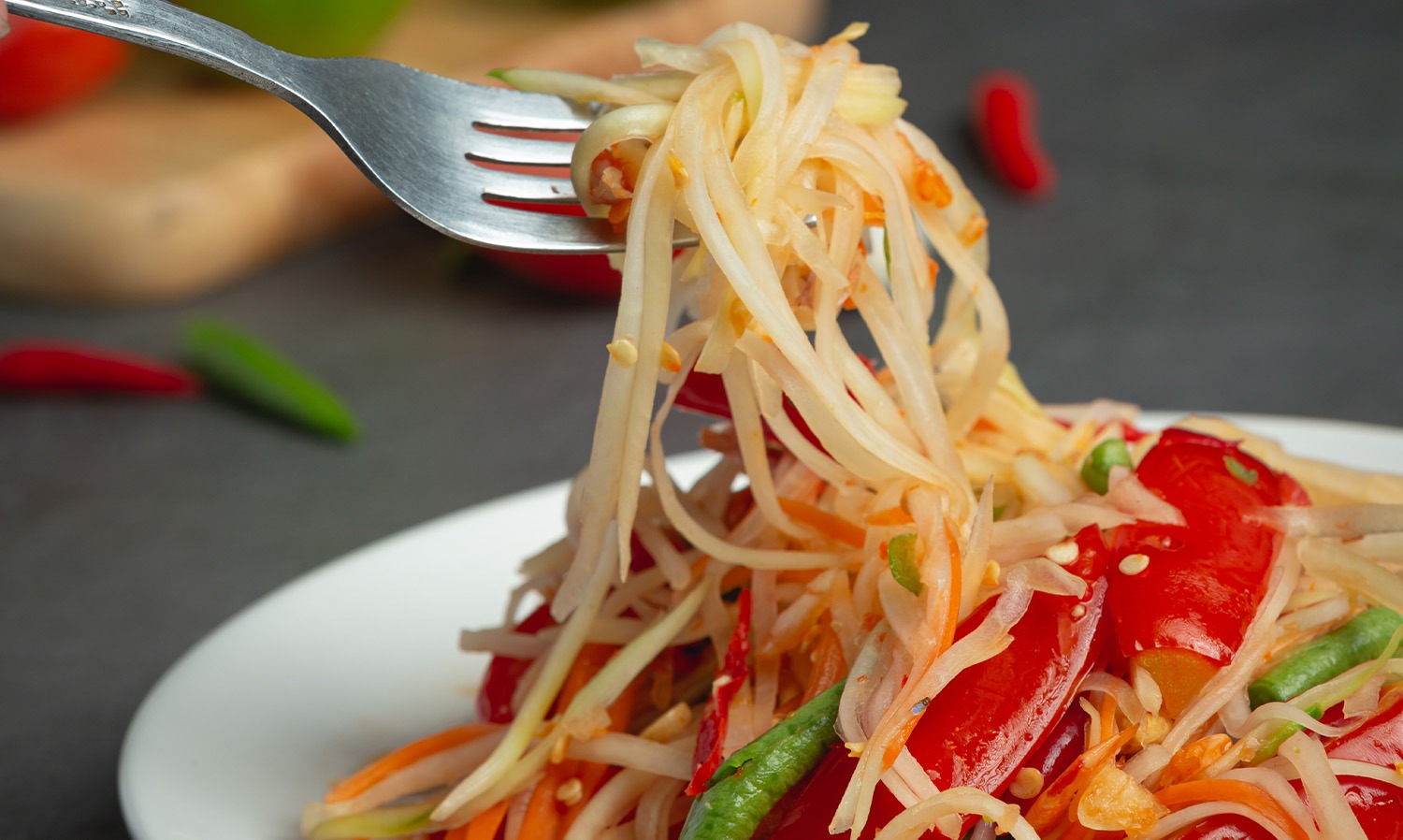
- Som Tam – A fiery, refreshing papaya salad that highlights fresh herbs and bright citrus flavours.
- Khao Soi – A Northern Thai curry noodle soup with crispy noodles that reflects regional culinary identities.
- Massaman Curry – A rich, sweetly spiced dish with historical Indian influences.
- Mango Sticky Rice and Local Sweets – Desserts like mango sticky rice, khanom krok, coconut ice cream, and bua loy show the creative breadth of Thai sweets.
These beloved dishes are just a snapshot of Thailand’s culinary diversity — a panorama shaped by geography, history, climate, and cultural exchange.
Street Food: Thailand’s Living Culinary Theater
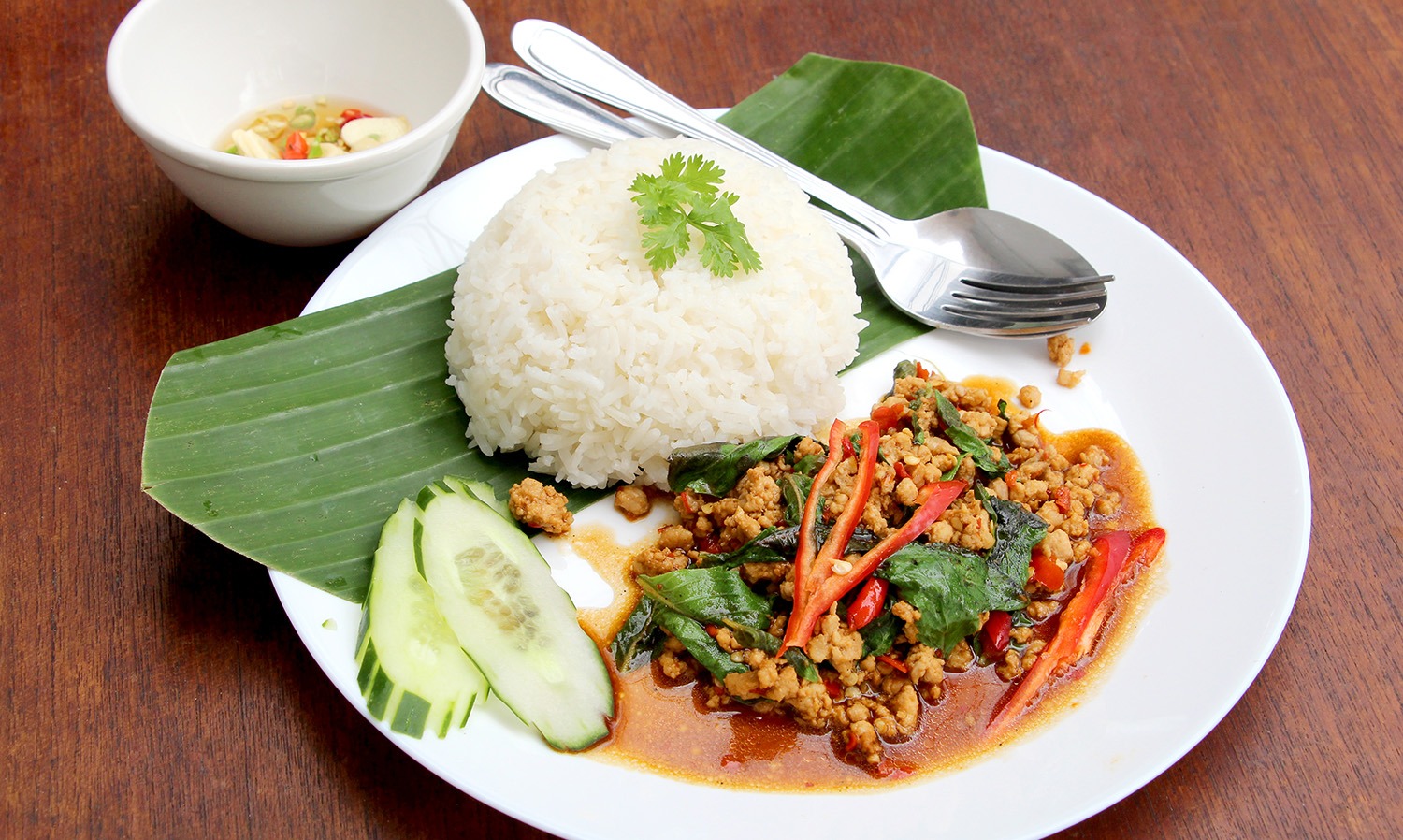
Thailand’s street food scene is one of the most celebrated in the world. Across cities like Bangkok, Chiang Mai, and Phuket, bustling lanes brim with aromas of grilling, stirring, and simmering. Street vendors — with generations of knowledge passed down like family heirlooms — serve meals that are affordable yet bursting with flavour. From spicy stir-fries to savoury curries, every dish tells a story of skill, speed, and tradition.
This culture of street dining is not just about convenience — it’s an immersive sensory experience, where the sizzle of woks, the clatter of dishes, and the chorus of locals create a unique culinary atmosphere unmatched in many parts of the world.

Healthy, Fresh, and Flavorful Ingredients
Thai cuisine is celebrated for its use of fresh herbs and healthy ingredients — from lemongrass, galangal, and kaffir lime leaves to chilies, basil, and coconut milk. These components contribute not only to unforgettable flavours but also to dishes that are often balanced in nutrition. The frequent use of vegetables, herbs, and lean proteins aligns with global trends toward wholesome eating, even as bold spices and aromatic pastes give Thai food its signature intensity.
A Spectrum from Humble Stalls to World-Class Dining
Thailand’s culinary excellence isn’t confined to street food alone. According to the Michelin Guide Thailand 2026, Thailand boasts 43 Michelin-starred restaurants. Making it a significant Southeast Asia culinary hub. The country’s fine dining scene stands shoulder to shoulder with global gastronomy. Bangkok, for example, now hosts restaurants recognized internationally for their creativity and innovation, reflecting Thailand’s evolution from street-side savor to haute cuisine elite. (The Week)
This duality — where you can enjoy a perfect bowl of noodles from a street vendor and later dine on a refined multi-course tasting menu — is rare in global food cultures and one of the reasons Thailand resonates so strongly with travelers.
Conclusion: A Culinary Paradise That Captivates the World
Thailand’s No. 1 ranking in Condé Nast Traveller’s food awards isn’t just a trophy — it’s a testament to a living, breathing food culture that defines the nation. With its diverse regional flavours, unparalleled street food scene, healthy and fresh ingredients, and an ever-evolving dining landscape, Thai food is a global phenomenon that deserves far more attention than its most famous exports.
Whether you’re a seasoned foodie or an adventurous traveler, Thailand offers a culinary journey that is rich, diverse, and endlessly delicious — a true world leader in the art of food.
Subscribe to our newsletter
Stay up to date with Angel RE news and pre launch offers