
NEWS & EVENTS

In the world of investment, there is a classic saying: “Exercise caution when others are exuberant, and be opportunistic when others are hesitant.”
This sentiment holds especially true when looking at the Thai real estate market in 2026. While many focus about a market downturn, a visit to the lounges of top-tier investors reveals a completely different atmosphere. This is the time for finding “diamonds in the rough” because a seemingly stagnant market can become a treasure trove for those who see opportunity while others are retreating.
The Paradox of the 2026 Market and the Reality to Face
To be straightforward, Thailand’s economy in 2026 faces significant challenges. Household debt remains high, leading financial institutions impose strictier loaning requirements, which stalled the overall atmosphere.
As a consequence, the stall from domestic buyers has created a “Buyer’s Market.” Investors with high liquidity—both foreigners and Thais—this is a “golden opportunity” where bargaining power has shifted to the buyer.
In 2026, the Thai property market isn’t “dead” as many perceived; it is evolving into a period of Selective Growth. This is a time where quantity is not the absolute answer, but quality and location potential become significant. Forward-thinking investors know that buying when everyone else has high purchasing power means buying at higher price points. Therefore, buying during this phase when martket is stalling present an opportunity to acquire assets at attractive prices, which may not be seen again for a decade.
Advantages Hidden in a Downward Market
The key question many wonder is: “When should I buy?” The answer lies in the strategies of 2026 developers. Facing remaining stock and falling short of sales targets, many large real estate developers have turned to Inventory Clearance strategies, offering cash discounts of 2 to 6% or more.
For projects nearing completion, they don’t offer just discounts; they offer “full” promotions such as free common area fees for several years, designer furniture for the entire unit, or even guaranteed returns in the early years—benefits rarely found when the market is on the upswing.
Beside the private sector, government policies add a significant tailwind. In mid-2026, policies reducing transfer and mortgage fees remain in effect to stimulate the economy, lowering the entry cost. Coupling with fewer competition from other buyers (due to rejected loan applications), prepared investors can choose the “best units” in a project that would normally be booked within minutes.
Strategic Drivers Beyond Economic Cycles
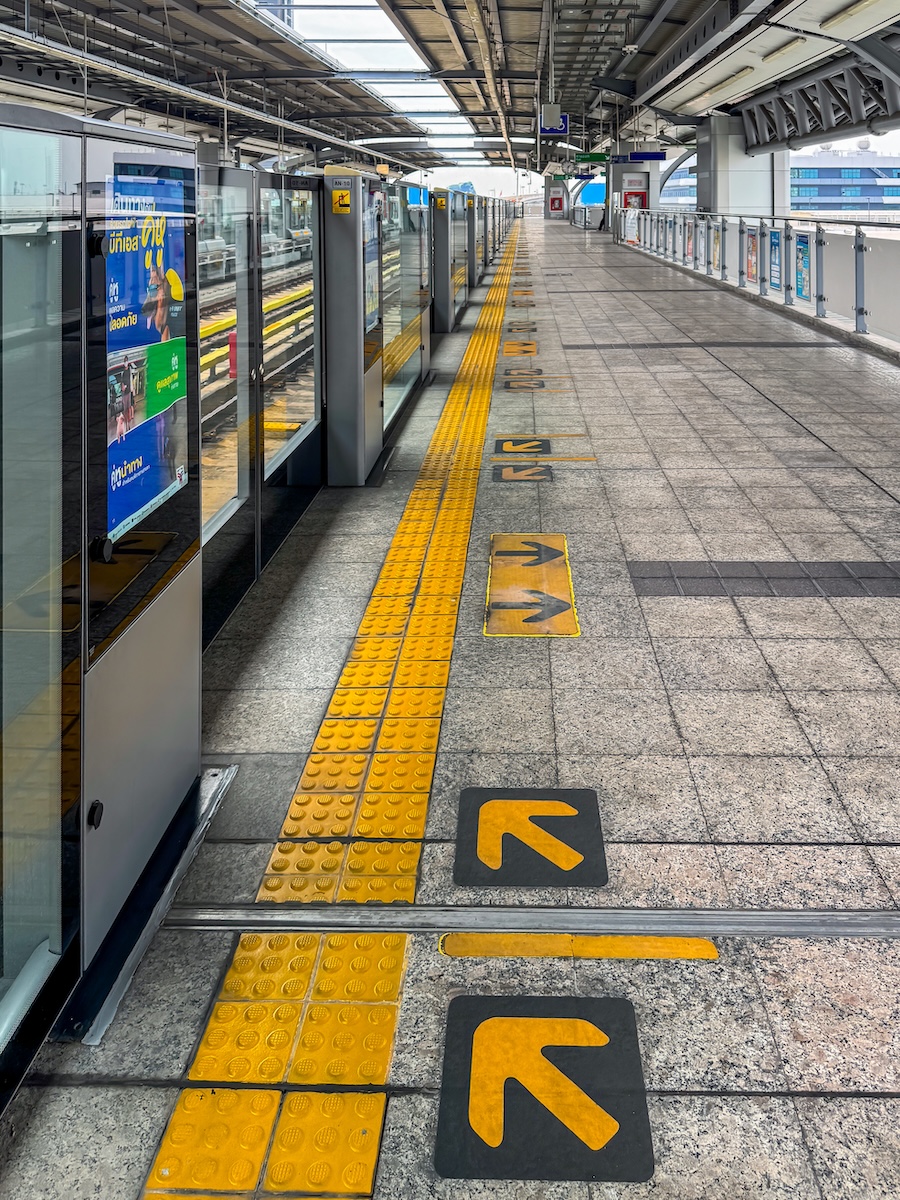
Beyond prices and discounts, Thailand’s fundamentals remain a strong long-term appeal. The infrastructure shows clear results in 2026, with various electric train lines fully operational and the completion of transportation hubs like the Krung Thep Aphiwat Central Terminal.
Outlying areas that were once overlooked became high-potential new economic zones, whereas inner Bangkok remains an unrivaled business center. This seamless connectivity ensures that real estate in the right location will not depreciate over time.
Another factor is Thailand’s status as a global Medical & Retirement Hub. Easy access to high-quality medical services at compelling prices make Thailand a top destination for retirees and those seeking wellness, continuously increasing demand for long-term residences.
Behavior of the new generation prefer to “rent” rather than “buy.” Research shows that 66% of Gen Z and Gen Y respondents prefer renting for flexibility and to avoid long-term debt. This creates a massive opportunity for Buy-to-Rent investors to receive steady rental yields from a stable, quality tenant base.

What to Invest in? Strongest Market Segments in 2026
In the volatile market of 2026, focus on assets with “high immunity”:
- Campus Condos: Condominiums near famous educational institutions remain a safe choice with a rotating tenant base every academic year, providing steady yields and high occupancy rates even in a sluggish economy.
- . Luxury Condos in the CBD: Areas like early Sukhumvit, Silom, and Sathon have almost no new development space left (Limited Supply). Remaining developer units or good-condition second-hand units are becoming precious assets likely to soar in value. Similarly, Branded Residences with 5-star service standards maintain their charm and value better than general projects.
- High-Potential Provincial Markets: Phuket and Samui have evolved from “Holiday Homes” to “Second Homes” for global wealthy individuals and Digital Nomads. Luxury villas in these locations generate massive income from daily and monthly rentals.
Ultimately, investing in Thai real estate in 2026 is not about following trends; it is about “timing” and “selection.” This market may not be attractive to everyone, but it offers the most rewarding prizes to those brave enough to step in when others step out. History shows those who prospered from real estate are those who accumulate the best assets during the challenging times. Are you ready to be one of the winners?
RELATED ARTICLES

World-Class Living Destination: Deep Dive into the Long-Stay Strategy Attracting Global Capital into Thailand

Thai Real Estate Market Remains Attractive to Foreign Buyers: A Deep Dive into the Top Countries by Market Share

Turning Thai Real Estate into Long-Stay Residency
