NEWS & EVENTS

Over the past year, Thailand’s real estate market has faced mounting pressure from multiple fronts—global economic slowdown, rising household debt, and stricter mortgage lending by financial institutions. These factors have significantly reduced consumers’ ability to own a house.
Yet, despite the broader property market facing a downturn, one segment has stood out: the resale housing market is growing strongly. This counter-cyclical trend has caught the attention of investors, homebuyers, and residents alike.
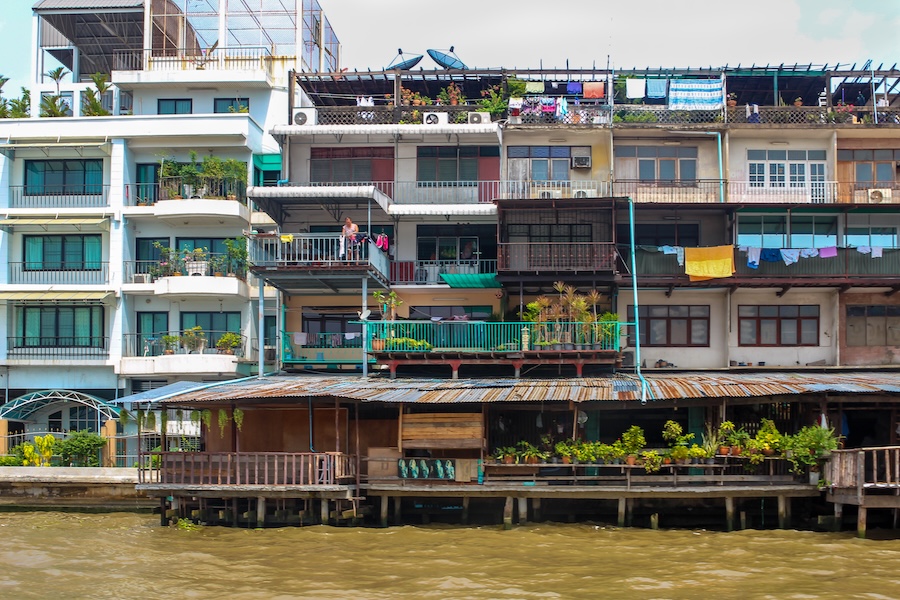
Resale homes—properties that have been previously occupied or listed for sale—are benefiting from several drivers. These include buyers’ increased focus on value for money, demand for move-in-ready locations, and more affordable pricing compared with new homes.
The following points help explain why the second-hand housing market is gaining momentum while new residential supply continues to slowdown.
Real Estate Market Conditions and Demand for Resale Homes
According to Thailand’s Real Estate Information Center (REIC), more than 180,000 resale housing units were listed for sale nationwide in Q2 2025, with a combined value exceeding THB 750 billion. This represents growth in both volume and value year-on-year—unit supply rose by 34.6%, while total value increased by 5.6%.
These figures underscore strong market traction driven by expanding supply and growing demand from buyers seeking more cost-effective options. Single detached houses remain the most popular asset type in the resale home market.

Supply Pressure and Economic Constraints as Growth Drivers
Another key factor behind the rise of resale homes is the increase in distressed assets, particularly properties entering foreclosure and enforcement proceedings. Many individual homeowners are struggling to service their mortgages amid economic pressure, leading to a surge in properties re-entering the market.
Data from the Legal Execution Department shows that foreclosed assets awaiting sale rose by over 210% year-on-year in Q2 2024, injecting significant supply into the resale market. This has further energized the segment, in contrast to the stagnation seen in new home sales.
- This phenomenon can be viewed from two perspectives:
- At the same time, it creates opportunities for genuine homebuyers and investors to acquire properties at more attainable prices, especially in urban locations where new developments have become unaffordable for many.

Price Value and Practical Living Advantages
One of the main reasons consumers are gravitating toward resale homes is better value for money. On average, resale properties are priced 20–30% lower than new developments, enabling buyers to secure homes in prime locations at more attainable price points.
In addition to pricing advantages, many older homes offer larger living spaces, reflecting design standards from earlier periods. In some cases, these properties feature layouts and materials rarely found in newer projects, which tend to prioritize cost efficiency. However, buyers should also factor in potential renovation costs due to aging materials and wear.
Government Support and Market Confidence
Government policies have also played a supportive role. Measures such as reductions in transfer and mortgage registration fees for homes below certain price thresholds (e.g., properties priced under THB 7 million) significantly lower upfront costs for buyers, making resale homes even more attractive.
In major cities and secondary urban centers, demand is further bolstered by buyers seeking immediate occupancy and investors recognizing opportunities for renovation and rental. These trends align with modern lifestyles that prioritize quality of life, flexibility, and value-driven living.

A Structural Shift, Not a Short-Term Trend
The growth of the resale housing market amid a broader real estate slowdown is unlikely to be a temporary phenomenon. Instead, it signals a structural adjustment as consumers become more cautious with spending and place greater emphasis on long-term living value.
For investors exploring new opportunities, resale homes remain a high-potential segment—whether through acquiring undervalued properties for renovation and resell, or generating rental income in high-demand locations. Lower entry costs and flexible return profiles make this segment resilient across market cycles.
From the consumer perspective, resale homes offer a compelling balance of affordability, location, and usability—particularly for young families seeking long-term residential investment while keeping budget under control.
RELATED ARTICLES

Why Thailand Is the No. 1 Food Country in the World

Thailand Enters the Global Top 10: Southeast Asia’s Top Retirement Destination in 2026

Krabi: The Andaman Coast’s New Crown Jewel